


In an age of endless connectivity and social media feeds, the concept of a “hidden travel gem” has become the new holy grail for travelers. The familiar landmarks, once objects of awe, now feel like crowded stages for an endless performance of photo-taking tourists. This has given rise to a profound desire for something more: an authentic, unique, and truly unforgettable experience that lies off-the-beaten-path. A hidden gem is not just a place that few people have heard of; it is a destination that offers a deeper sense of connection, a slower pace of discovery, and a more genuine interaction with the local culture and environment. For the modern traveler, finding these treasures is not about luck but about a shift in mindset and a strategic approach to exploration. This definitive guide will take you on a deep dive into the philosophy of finding these gems, the art of uncovering them, and a curated list of destinations that promise a truly transformative journey.
The Philosophy of Off-the-Beaten-Path Travel
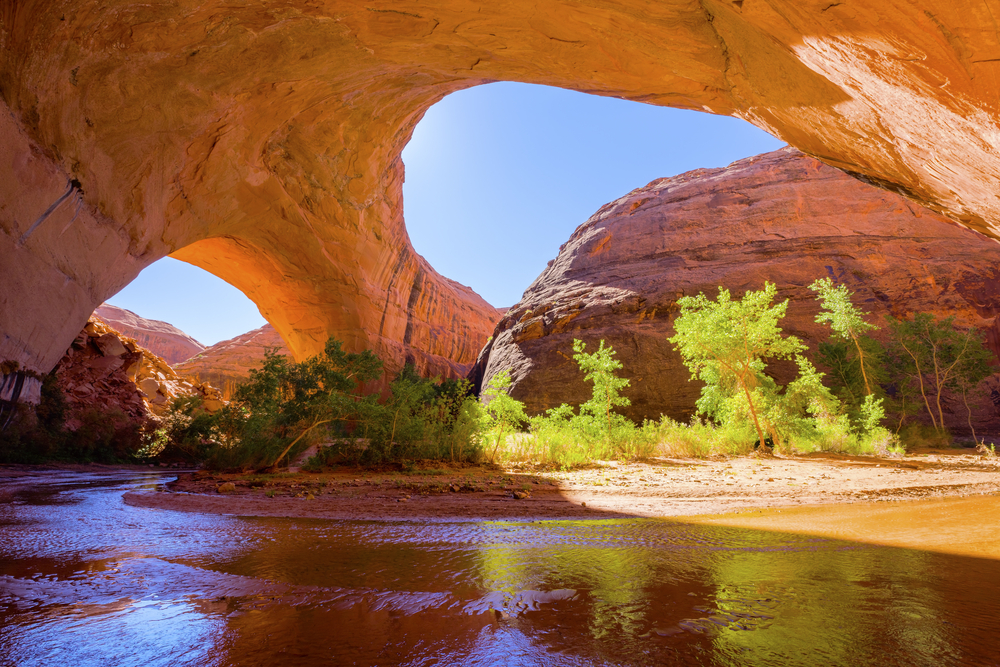
The quest for a hidden gem is more than a search for a new place; it is an embrace of a new way of traveling. This philosophy is built on several core principles that elevate the journey from a simple trip to a profound experience.
A. Escaping the Tourist Trap
The tourist trap is a product of mass tourism, a commercialized version of a destination that prioritizes convenience and profit over authenticity. It is a place where every restaurant serves the same mediocre food and every shop sells the same mass-produced souvenir. The first principle of a hidden gem traveler is to actively avoid these traps, seeking instead the places where the local culture, cuisine, and way of life are still vibrant and untainted. This is a journey of intentionality, where the traveler chooses to engage with a destination on its own terms, not on the terms of the tourism industry.
B. The Pursuit of Authenticity and Deeper Connection
A hidden gem offers something that a crowded landmark cannot: a genuine, authentic experience. This could be a conversation with a local artisan, a meal shared in a family-run restaurant, or a walk through a quiet neighborhood that feels a world away from the noise and chaos of a city center. This pursuit of authenticity is about a deeper connection to a place and its people. It is a recognition that the most meaningful travel experiences are not found in a brochure but are discovered through human interaction and a willingness to be open to the unexpected.
C. Supporting Local Economies
When you travel off-the-beaten-path, you are not only enriching your own experience but are also making a positive impact on the local community. By choosing to stay in a locally owned guesthouse, eat at a local restaurant, and buy souvenirs from local artisans, you are ensuring that your money stays in the community and helps to support the local economy directly. This is a form of responsible travel that empowers local communities and helps to preserve their unique culture and way of life.
D. The Thrill of Discovery
The feeling of stumbling upon a quiet, secluded beach, a hidden waterfall, or a charming, family-run restaurant that no one else seems to know about is one of the greatest joys of travel. This thrill of discovery is the driving force behind a hidden gem traveler. It is a feeling that cannot be bought or pre-packaged. It is earned through a willingness to explore, to wander, and to be open to the unexpected. This is a journey that is about a personal, unique experience that is yours and yours alone.
The Art of Uncovering Hidden Gems
Finding a hidden gem is not a matter of luck; it is a skill that can be developed. It requires a combination of strategic planning, a willingness to let go of the itinerary, and an open mind.
A. Leveraging Local Knowledge
The most valuable resource for finding a hidden gem is a local. A local knows the places that tourists don’t, the best times to visit, and the stories behind a destination. The art of uncovering a hidden gem is to engage with locals and to ask for their recommendations. This could be a conversation with a bartender, a shop owner, or a taxi driver. It is a way to get an insider’s perspective on a destination and to find the places that are truly special.
B. The Power of “Slow” Travel
Slow travel is a philosophy that encourages travelers to slow down, to stay in a single location for a longer period of time, and to get to know the local culture and community. It is a way to have a more authentic, immersive, and educational experience that is also more sustainable, as it reduces your carbon footprint from frequent flights and travel. The power of slow travel is that it gives you the time to wander, to explore, and to stumble upon the places that are not in the guidebooks.
C. Harnessing Digital Tools
While the internet can be a source of mass tourism, it can also be a powerful tool for finding hidden gems. Websites like TripAdvisor and blogs can provide valuable information, but the key is to read between the lines. Look for reviews that are focused on local experiences and avoid the places that are ranked at the top. The most valuable digital tools are those that provide a platform for a niche community, such as a travel forum or a specialized blog that is dedicated to a specific type of travel or destination.
D. Trusting Your Instincts and Embracing Spontaneity
The most unforgettable travel experiences often happen by accident. They are a result of a willingness to let go of the itinerary, to take a different path, and to embrace the unexpected. The art of uncovering a hidden gem is to trust your instincts, to be spontaneous, and to be open to the possibility that the best part of your journey may be something that you did not plan. This is a journey that is about a personal, unique experience that is yours and yours alone.
Unforgettable Hidden Gems by Category

To illustrate these principles, here are some of the most unforgettable hidden travel gems, categorized by the type of experience they offer. These are not specific, real-world places, as the beauty of a hidden gem is that it remains a secret. Instead, they are archetypes that represent the kind of experience you can find if you are willing to look.
A. Secluded Coastal Escapes
These are the places that offer a sense of peace, tranquility, and a deeper connection to the natural world, away from the noise and chaos of a crowded beach.
- A. The “Emerald Coast” of Latin America: Tucked away in a lesser-known region of Latin America, this coastline is a pristine paradise of turquoise waters, white-sand beaches, and lush, green forests. The region is home to small, family-run eco-lodges and a handful of local restaurants that serve fresh, locally sourced seafood. The area is known for its incredible biodiversity, with a vibrant ecosystem of birds, monkeys, and marine life. This is a place for a traveler who is seeking a sense of peace, tranquility, and a deeper connection to the natural world.
- B. The “Forgotten Islands” of the Mediterranean: While the Greek and Italian islands are famous for their beauty, there are many smaller, lesser-known islands that are just as beautiful but have a fraction of the crowds. These “forgotten islands” are home to small, quiet fishing villages, hidden coves with crystal-clear water, and a culture that is still deeply connected to the sea. The experience is about slowing down, enjoying the simple pleasures of life, and getting to know the locals.
B. Untouched Mountain and Highland Retreats
These are the places that offer a sense of solitude, a break from the noise of modern life, and a chance to reconnect with the natural world and yourself.
- C. The “Valley of Whispers” in the Himalayas: Tucked away in a remote corner of the Himalayas, this valley is a pristine paradise of snow-capped mountains, turquoise lakes, and lush, green forests. The valley is home to a handful of small, quiet villages that are a world away from the chaos of a city center. The experience is about a sense of solitude, a deep connection to the natural world, and a chance to reflect on your place in the universe.
- D. The “Highlands of Solitude” in Scotland: While the Scottish Highlands are famous for their beauty, there are many smaller, lesser-known valleys that are just as beautiful but have a fraction of the crowds. These “highlands of solitude” are home to ancient stone castles, pristine lochs, and a culture that is still deeply connected to the land. The experience is about a sense of history, a feeling of being in a place that has been untouched by time, and a chance to reconnect with the wild beauty of nature.
C. Cultural and Historical Jewels
These are the places that offer a deeper sense of history, a more authentic cultural experience, and a feeling of being in a place that is not in the guidebooks.
- E. The “Lost City of Stones” in the Andes: Tucked away in a remote corner of the Andes, this city is a pristine paradise of ancient stone ruins, quiet temples, and a culture that is still deeply connected to the land. The city is a world away from the noise and chaos of a city center, and the experience is about a sense of history, a deeper connection to a place, and a feeling of being in a place that is truly special.
- F. The “Silk Road Oasis” in Central Asia: While the Silk Road is a famous historical route, there are many smaller, lesser-known oases that are just as beautiful but have a fraction of the crowds. These “Silk Road oases” are home to ancient markets, ornate mosques, and a culture that is still deeply connected to its history. The experience is about a sense of history, a feeling of being in a place that has been touched by time, and a chance to explore a place that is truly a hidden gem.
D. Urban Oases and Micro-Adventures
These are the places that offer a sense of discovery, a break from the noise of a city, and a chance to find a hidden gem in plain sight.
- G. The “Artisan District” in a well-known city: While a city’s main attractions are famous, there are many smaller, lesser-known districts that are just as beautiful but have a fraction of the crowds. These “artisan districts” are home to small, independent galleries, unique boutiques, and a culture that is still deeply connected to creativity. The experience is about a sense of discovery, a deeper connection to a city’s creative spirit, and a chance to find a hidden gem that is right in plain sight.
- H. The “Hidden Gardens” in an unexpected place: While a city’s main parks are famous, there are many smaller, lesser-known gardens that are just as beautiful but have a fraction of the crowds. These “hidden gardens” are a tranquil oasis of green space, beautiful flowers, and a sense of peace. The experience is about a sense of solitude, a deeper connection to nature, and a chance to find a hidden gem that is a world away from the noise and chaos of a city center.
The Responsible Traveler’s Code for Hidden Gems
Finding a hidden gem comes with a responsibility to protect it. The key to ensuring that these places remain special is to travel with a code of conduct that is centered on respect, mindfulness, and a commitment to leaving no trace.
A. Leaving No Trace
The most important rule of responsible travel is to leave a place as you found it. This means not leaving behind any garbage, not disturbing the local wildlife, and not taking anything from the natural environment. The goal is to ensure that a place remains beautiful for future generations to enjoy.
B. Respecting Local Traditions and Privacy
When you travel to a hidden gem, you are a guest in someone else’s home. It is important to respect the local traditions, customs, and privacy. This means asking for permission before taking photographs, dressing appropriately for the local culture, and being mindful of the local way of life.
C. Minimizing Your Environmental Impact
The goal of a hidden gem traveler is to minimize their environmental impact. This means reducing your carbon footprint by choosing a responsible mode of transportation, minimizing your waste by carrying a reusable water bottle and a set of cutlery, and choosing accommodations that have a commitment to sustainability.
Conclusion
The pursuit of an unforgettable travel experience is a journey of foresight, strategy, and a deep, authentic connection to the world. The era of a business solely focused on profit is over, and in its place, a new and more powerful model has emerged, one where success is defined not just by financial returns, but by a company’s commitment to sustainability, purpose, and social good.
The hidden travel gems explored in this guide are not just a feel-good trend; they are a fundamental driver of profitability, resilience, and long-term value. From the regenerative traveler who leaves a place better than they found it to the community-based tour operator that empowers a local village, the opportunities for innovation and positive impact are immense.
For the modern traveler, this new landscape presents a monumental opportunity. It is a chance to move beyond the tourist traps and to embark on a journey of personal growth, cultural exchange, and a deeper connection to the planet. It is a chance to travel with a purpose, to make a positive impact, and to create memories that are not just for a photograph but for a lifetime. The future of travel is not just about where we go; it’s about how we go, and the impact we have along the way.