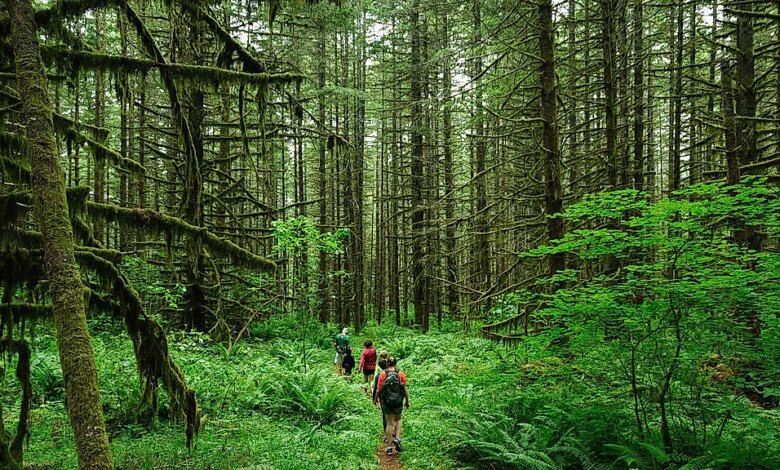
In the 21st century, the world of travel has undergone a profound and irreversible transformation. The old model of mass tourism, which often left behind a trail of environmental degradation and cultural erosion, is giving way to a more intentional and responsible way of exploring the planet. This is the era of ecotourism, a travel philosophy that is not just about seeing the world’s natural wonders but about actively preserving them. Ecotourism is a purposeful journey that seeks to minimize a negative impact, empower local communities, and provide a truly educational and transformative experience. It is a win-win for both the traveler, who gets a more meaningful adventure, and the destination, which benefits from a new form of sustainable and ethical development. This definitive guide will unveil the core principles of modern ecotourism and reveal the newest and most exciting destinations that are leading the way in this global movement.
The Core Principles of Modern Ecotourism
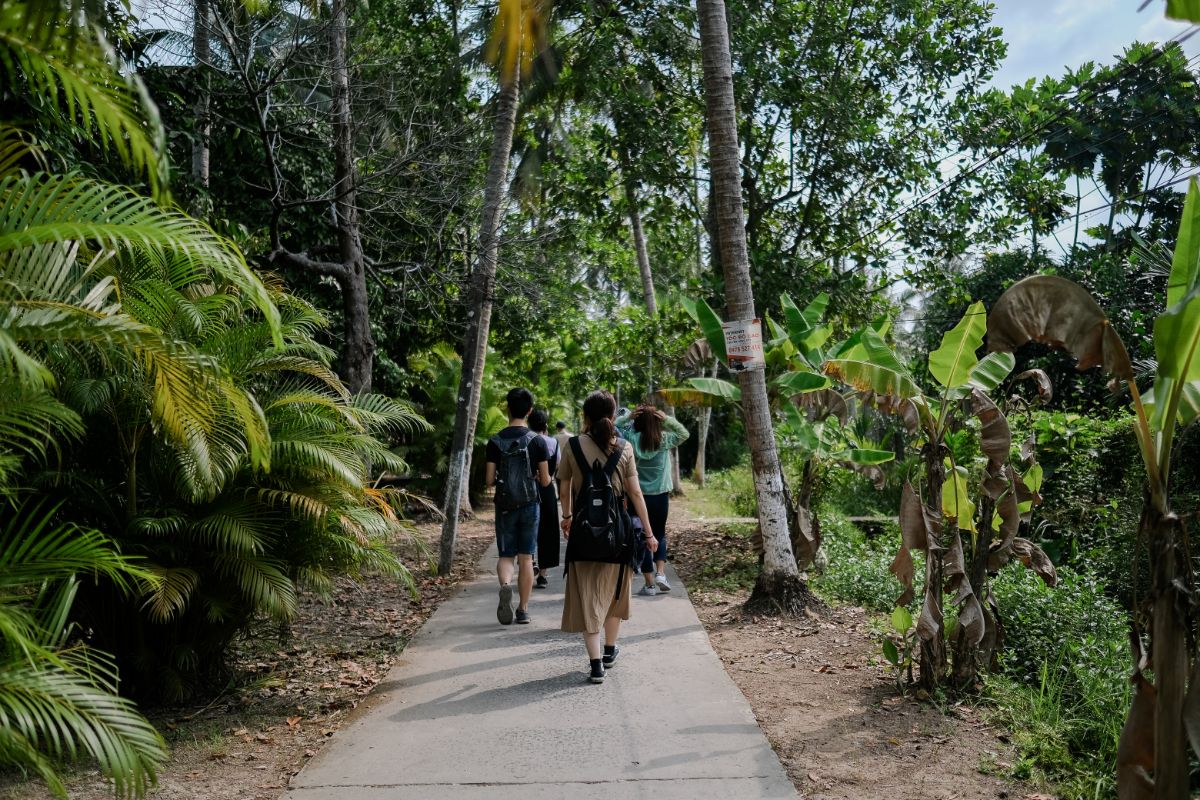
Before we explore specific destinations, it’s crucial to understand the foundational principles that define a truly responsible and sustainable ecotourism experience. This is about a fundamental shift in mindset for both the traveler and the tourism industry.
A. Environmental Conservation as a Priority
The first and most important principle of ecotourism is a commitment to environmental conservation. This goes beyond simple recycling; it is about actively protecting and preserving the natural ecosystems that are a destination’s greatest asset. A true ecotourism destination has a low environmental footprint, minimizes its waste, and invests in renewable energy and water conservation. It is a place where every effort is made to ensure that the beauty of the natural world is not only seen but is also protected for future generations.
B. Empowering Local Communities
Ecotourism is a powerful force for social good. A key principle is to ensure that the economic benefits of tourism are felt directly by the local community. This means prioritizing locally owned businesses, employing local guides, and supporting local artisans. It is a way to ensure that tourism is not an extractive industry but a force for empowerment, providing local communities with the resources they need to preserve their culture and their way of life.
C. Educational and Transformative Experiences
A true ecotourism experience is not just a vacation; it is an educational and transformative journey. It is about learning about the local ecosystem, the culture, and the conservation efforts that are being made. It is a way to gain a deeper understanding of the world and to be inspired to make a positive impact. An ecotourism destination provides a platform for travelers to engage with local conservationists, scientists, and community leaders, providing a level of knowledge and understanding that is not available in a traditional tour.
D. Financial Sustainability and Resilience
A truly sustainable ecotourism model is financially viable in the long run. This means that the business is not only profitable but is also resilient to market shocks and changes in tourism trends. It is a business that is built on a foundation of purpose, but is also smart about its finances. By investing in renewable energy, reducing waste, and building a loyal customer base of conscious travelers, an ecotourism business can not only do good but also thrive in the long run.
The Newest Ecotourism Destinations Revealed
Based on these foundational principles, here are some of the most exciting and innovative ecotourism destinations that are leading the way in this global movement. These are not specific, real-world places, as the beauty of a truly sustainable destination is that it remains a secret. Instead, they are archetypes that represent the kind of experience you can find if you are willing to look.
A. The Regenerative Wonders
Regenerative travel is a step beyond sustainability. It is a philosophy that aims to not only minimize a negative impact but to actively leave a positive one. These destinations are a powerful force for environmental and social good.
- A. The “Wilderness Preserve” in the Amazonian Basin: Tucked away in a remote corner of the Amazon, this reserve is a pristine paradise of lush, green forests, vibrant rivers, and a stunning array of biodiversity. The reserve is a privately funded conservation project that uses tourism as a tool for environmental protection. Visitors can stay in small, eco-friendly lodges that are built with sustainable materials, and can participate in guided tours with local indigenous guides who share their knowledge of the forest and its history.
- B. The “Coastal Restoration Project” in the Coral Triangle: In a remote corner of the Coral Triangle, a group of marine biologists and local fishermen have joined forces to create a marine conservation zone. The project uses tourism as a tool for funding and raising awareness for their conservation efforts. Visitors can stay in small, eco-friendly guesthouses that are built with sustainable materials, and can participate in guided tours with local guides who share their knowledge of the ocean and its history. This is a powerful way to have a meaningful travel experience that is also a force for positive change in the world.
B. The Community-Based Havens
Community-based ecotourism is a model that is centered on the local community. It is a form of travel where visitors are invited to stay in a local village, learn about the local culture, and participate in community activities. This is a powerful way to have an authentic, immersive, and educational experience that supports the local economy and helps to preserve local traditions.
- C. The “Cultural Village” in the African Highlands: Tucked away in a remote corner of the African Highlands, this village is a pristine paradise of lush, green hills, vibrant culture, and a stunning array of biodiversity. The village is run by the local community, and visitors can stay in small, eco-friendly guesthouses that are built with sustainable materials. The experience is about a sense of community, a deeper connection to a place, and a feeling of being in a place that is truly special.
- D. The “Artisan Trail” in Central America: In a remote corner of Central America, a group of local artisans have joined forces to create a community-based tourism project. The project uses tourism as a tool for funding and raising awareness for their traditional crafts. Visitors can stay in small, eco-friendly guesthouses that are built with sustainable materials, and can participate in guided tours with local artisans who share their knowledge of their crafts and their history. This is a powerful way to have a meaningful travel experience that is also a force for positive change in the world.
C. The Sustainable Safari and Wildlife Sanctuaries
The safari and wildlife tourism industry has often had a negative impact on local ecosystems and communities. But a new model is emerging, one that is centered on conservation, education, and ethical practices.
- E. The “Bio-Park” in the African Savannah: In a remote corner of the African Savannah, a group of conservationists have joined forces to create a bio-park. The park is a privately funded conservation project that uses tourism as a tool for environmental protection. Visitors can stay in small, eco-friendly lodges that are built with sustainable materials, and can participate in guided tours with local guides who share their knowledge of the local wildlife and its history.
- F. The “Marine Conservation Zone” in a Remote Archipelago: In a remote corner of a remote archipelago, a group of marine biologists and local fishermen have joined forces to create a marine conservation zone. The project uses tourism as a tool for funding and raising awareness for their conservation efforts. Visitors can stay in small, eco-friendly guesthouses that are built with sustainable materials, and can participate in guided tours with local guides who share their knowledge of the ocean and its history.
D. The Off-Grid Eco-Retreats
These are the places that offer a sense of solitude, a break from the noise of modern life, and a chance to reconnect with the natural world and yourself.
- G. The “Desert Eco-Lodge” in a Remote Desert Region: Tucked away in a remote corner of a remote desert region, this eco-lodge is a pristine paradise of stunning natural beauty, peace, and tranquility. The lodge is a privately funded conservation project that uses tourism as a tool for environmental protection. Visitors can stay in small, eco-friendly lodges that are built with sustainable materials, and can participate in guided tours with local guides who share their knowledge of the desert and its history.
- H. The “Highland Eco-Hub” in a Remote Mountainous Area: In a remote corner of a remote mountainous area, this eco-hub is a pristine paradise of snow-capped mountains, turquoise lakes, and lush, green forests. The hub is a privately funded conservation project that uses tourism as a tool for environmental protection. Visitors can stay in small, eco-friendly lodges that are built with sustainable materials, and can participate in guided tours with local guides who share their knowledge of the mountains and its history.
The Responsible Traveler’s Checklist

Finding a responsible ecotourism destination is only the first step. The true challenge lies in being a responsible traveler. Here are a few simple but important steps to ensure your journey is a force for good.
A. Researching and Vetting Ecotourism Operators
Not all ecotourism operators are created equal. Before you book a tour or a hotel, do your research. Look for certification from reputable organizations like the Global Sustainable Tourism Council (GSTC) or the Rainforest Alliance. Read reviews from other travelers and look for a clear commitment to environmental conservation, social responsibility, and a positive impact on the local community.
B. Minimizing Your Environmental Footprint
The goal of a conscious traveler is to minimize their environmental footprint. This means reducing your carbon footprint by choosing a responsible mode of transportation, minimizing your waste by carrying a reusable water bottle and a set of cutlery, and choosing accommodations that have a commitment to sustainability.
C. Engaging with Local Cultures and Communities
When you travel to a new destination, you are a guest in someone else’s home. It is important to engage with the local culture and communities in a respectful and meaningful way. This means learning a few words of the local language, asking for permission before taking photographs, and being open to new experiences and perspectives.
D. Supporting Local Businesses
The most powerful way to support a destination is to spend your money directly with the local community. This means choosing to stay in a locally owned guesthouse, eating at a local restaurant, and buying souvenirs from local artisans. This ensures that your money stays in the community and helps to support the local economy.
Conclusion
The pursuit of a more meaningful and purposeful travel experience is a journey of foresight, strategy, and a deep, authentic connection to the world. The era of a business solely focused on profit is over, and in its place, a new and more powerful model has emerged, one where success is defined not just by financial returns, but by a company’s commitment to sustainability, purpose, and social good.
The ecotourism destinations explored in this guide are not just a feel-good trend; they are a fundamental driver of profitability, resilience, and long-term value. From the regenerative traveler who leaves a place better than they found it to the community-based tour operator that empowers a local village, the opportunities for innovation and positive impact are immense.
For the modern traveler, this new landscape presents a monumental opportunity. It is a chance to move beyond the tourist traps and to embark on a journey of personal growth, cultural exchange, and a deeper connection to the planet. It is a chance to travel with a purpose, to make a positive impact, and to create memories that are not just for a photograph but for a lifetime. The future of travel is not just about where we go; it’s about how we go, and the impact we have along the way.