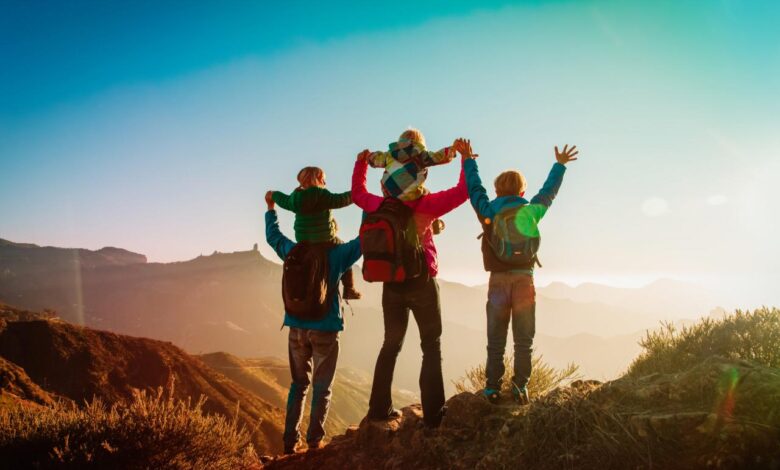
For many, the phrase “adventure travel” conjures images of solo backpackers trekking through remote mountains or daring thrill-seekers scaling rock faces. This traditional view of adventure is often seen as a pursuit reserved for the young, the unattached, and the risk-takers. However, a new and more profound form of exploration is on the rise: family adventure travel. This is a powerful shift in mindset, redefining adventure not as a solo pursuit, but as a shared journey of discovery, growth, and connection for the entire family. It’s about trading the predictable all-inclusive resort for a vibrant, hands-on experience that challenges every member of the family, regardless of age. From navigating a new city to spotting wildlife in their natural habitat, family adventure travel is the blueprint for creating lasting memories, fostering resilience, and building an unbreakable bond that will last a lifetime. This definitive guide will provide you with the foundational principles and a curated list of ideas to help you plan and execute the family adventure of your dreams.
The Foundational Principles of Family Adventure
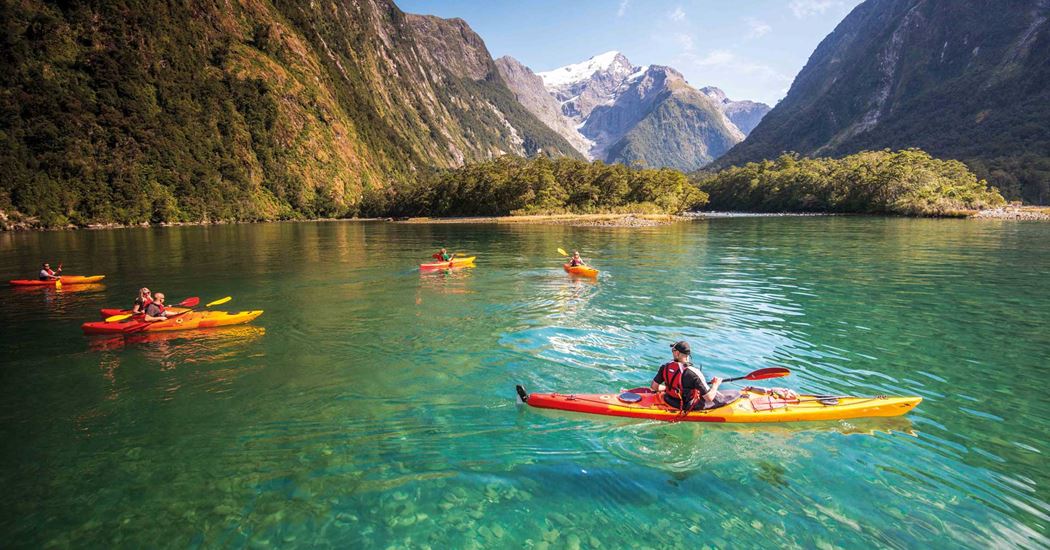
Before we dive into specific destinations and activities, it’s crucial to understand the philosophy behind a great family adventure. These core tenets are what transform a simple trip into a life-changing experience.
A. Redefining “Adventure” for All Ages
The first step is to redefine what “adventure” means for your family. Adventure is not limited to extreme sports or remote expeditions. For a child, adventure can be as simple as spotting a unique bird, learning to navigate a new public transportation system, or trying a new and exotic food. For a parent, it can be the challenge of planning a trip that is both safe and exciting for every family member. The key is to find the “sweet spot” where everyone is slightly out of their comfort zone, but still engaged and having fun. This shared sense of discovery is the essence of family adventure travel.
B. The Power of Shared Experiences
Shared experiences are the bedrock of a strong family unit. In our daily lives, we are often pulled in different directions by work, school, and social obligations. Family adventure travel provides a unique opportunity to reconnect, with a shared focus on a new and exciting journey. These shared experiences, from a challenging hike to a meal shared with a local family, create a bank of memories that will be a source of strength, humor, and connection for years to come. These are the moments that strengthen family bonds and create a lasting sense of belonging.
C. The Educational Value Beyond the Classroom
The world is the greatest classroom, and family adventure travel is the most immersive form of education. A trip to a historical site is no longer just a history lesson; it’s a tangible, immersive experience. Learning about a new culture is not just a lesson in a textbook; it’s a chance to meet new people, try new foods, and learn a new language. These experiences teach children resilience, adaptability, and a deep sense of empathy for the world and its diverse cultures. They are the moments that truly shape a child’s understanding of the world and their place in it.
D. Building Resilience and Connection
Every adventure, no matter how well-planned, comes with unexpected challenges. A missed flight, a sudden rainstorm, or a language barrier are not failures; they are opportunities to build resilience. When a family faces these challenges together, they learn to rely on each other, to communicate, and to problem-solve as a team. This shared struggle creates a powerful sense of connection and a deep-seated confidence that the family can overcome any obstacle, both on the road and at home.
Strategic Planning for Success
The key to a successful family adventure is a solid foundation of planning. While spontaneity is a core part of the experience, a well-researched plan gives you the confidence to let go and embrace the unknown.
A. Choosing the Right Destination for Your Family
The world is your oyster, but some destinations are more family-friendly than others. The right destination should align with your family’s interests, budget, and travel style.
- A. Consider the interests of every family member. Is your family passionate about history? Nature? Food? A great adventure is one where every family member has a chance to explore their passions.
- B. Research the country’s infrastructure and safety. Look for destinations with a well-developed tourism infrastructure, a reputation for safety, and a variety of activities for all ages.
- C. Think about the length and complexity of the trip. For a first-time family adventure, consider a shorter trip to a destination with a similar culture and language. This will help you ease into the world of adventure travel and build a foundation of confidence for future trips.
B. Budgeting for Adventure
Money is a common source of stress, and a well-thought-out budget is essential for a stress-free family adventure. Family adventure travel can often be more expensive due to the cost of a large family, but with smart planning, it can be very affordable.
- A. Track your expenses. Use a budgeting app or a simple spreadsheet to track your daily expenses, from accommodation to food and activities. This will help you stay on track and avoid overspending.
- B. Look for family-friendly deals. Many hotels, tour companies, and airlines offer family-friendly deals and discounts. Look for packages that include meals, activities, and transportation, which can often be cheaper than booking them separately.
- C. Cook your own meals. One of the biggest expenses of travel is food. By booking an accommodation with a kitchen, you can cook your own meals, which can be a great way to save money and to get a deeper sense of a destination’s local culture.
C. The Art of Kid-Friendly Itinerary Planning
The key to a successful family adventure is a flexible, kid-friendly itinerary that is a mix of planned activities and free time. A rigid schedule is a recipe for disaster, while a flexible one allows you to be spontaneous and to embrace the unexpected.
- A. Involve your kids in the planning process. A great way to get your kids excited about a trip is to involve them in the planning process. Ask them what they want to see, what they want to do, and what they want to eat. This will help them feel a sense of ownership and will make the trip more meaningful for them.
- B. Schedule in free time. A great itinerary is one that has a mix of planned activities and free time. This allows you to be spontaneous and to embrace the unexpected. It also gives your kids a chance to rest and to play, which is essential for a successful family adventure.
- C. Plan for a mix of activities. A great itinerary is one that has a mix of activities for all ages. This could be a mix of cultural activities, nature walks, and a visit to a local museum or a theme park. The key is to find the “sweet spot” where everyone is engaged and having fun.
D. Essential Preparation and Gear
Safety is a primary concern for any family adventure, and it’s important to be proactive and prepared. The key is not to be paranoid, but to be aware and to trust your instincts.
- A. Get travel insurance. Travel insurance is an essential for any family adventure. It provides a safety net in case of a medical emergency, a flight cancellation, or a lost bag.
- B. Pack a first aid kit. A first aid kit is an essential for any family adventure. It should include everything from bandages and antiseptic wipes to pain relievers and any prescription medications your family might need.
- C. Have an emergency plan. Have a clear emergency plan in place, and have a list of emergency contacts, including the local police and the embassy of your country. This will give you peace of mind and the confidence to handle any unexpected situation.
Curated Family-Friendly Adventure Ideas
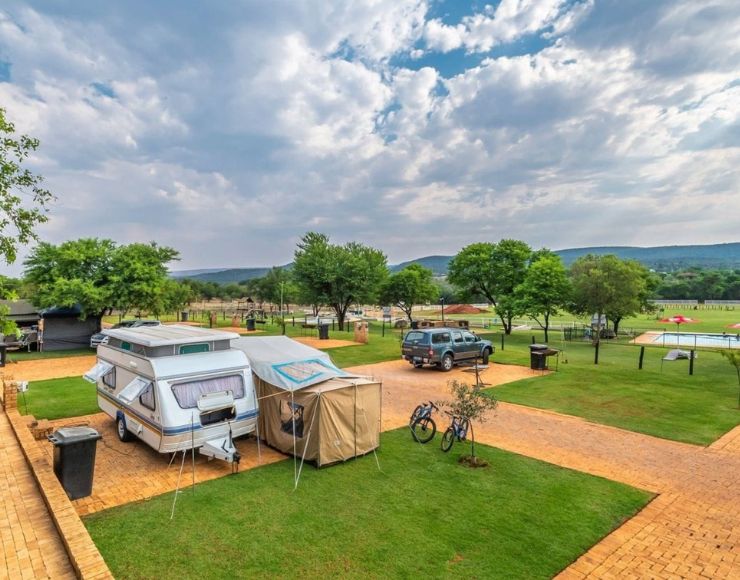
To illustrate these principles, here are some of the most unforgettable family-friendly adventure ideas, categorized by the type of experience they offer.
A. The Wilderness & Nature Immersion
These are the places that offer a sense of peace, tranquility, and a deeper connection to the natural world, away from the noise and chaos of a city center.
- A. National Park Road Trips: A national park road trip is a great way to have a family adventure. The parks offer a variety of activities for all ages, from hiking and camping to wildlife spotting and stargazing. The experience is about a sense of peace, tranquility, and a deeper connection to the natural world.
- B. Family-Friendly Safari and Wildlife Tours: A safari or a wildlife tour is a great way to have a family adventure. The tours offer a chance to see a stunning array of wildlife in their natural habitat, and to learn about conservation and environmental protection. The experience is about a sense of wonder, a deeper connection to the natural world, and a feeling of being in a place that has been untouched by time.
- C. Coastal Exploration and Snorkeling Adventures: A coastal exploration or a snorkeling adventure is a great way to have a family adventure. The tours offer a chance to see a stunning array of marine life in their natural habitat, and to learn about conservation and environmental protection. The experience is about a sense of wonder, a deeper connection to the natural world, and a feeling of being in a place that has been untouched by time.
B. The Cultural & Educational Journey
These are the places that offer a sense of history, a more authentic cultural experience, and a feeling of being in a place that is not in the guidebooks.
- D. Community-Based Tourism and Homestays: A homestay with a local family is a great way to have a family adventure. It provides an opportunity to learn a new language, to learn about a local culture on a deeper level, and to build a personal relationship with a local family. The experience is about a sense of community, a deeper connection to a place, and a feeling of being in a place that is truly special.
- E. Historical and Archaeological Expeditions: A historical or an archaeological expedition is a great way to have a family adventure. The expeditions offer a chance to explore ancient ruins, to learn about a destination’s history, and to get a deeper sense of a destination’s cultural heritage. The experience is about a sense of history, a feeling of being in a place that has been touched by time, and a chance to explore a place that is truly a hidden gem.
- F. Culinary Journeys and Cooking Classes: A culinary journey or a cooking class is a great way to have a family adventure. The tours offer a chance to explore a local market, to learn about a destination’s local food, and to cook a traditional meal with a local family. The experience is about a sense of community, a deeper connection to a place, and a feeling of being in a place that is truly special.
C. The Thrill-Seeker & Active Family
These are the places that offer a sense of adventure, a break from the noise of modern life, and a chance to reconnect with the natural world and yourself.
- G. Family-Friendly Rafting and Kayaking: A rafting or a kayaking adventure is a great way to have a family adventure. The tours offer a chance to explore a river, to see a stunning array of wildlife, and to get a sense of adventure. The experience is about a sense of peace, tranquility, and a deeper connection to the natural world.
- H. Trekking and Hiking with Kids: A trek or a hike is a great way to have a family adventure. The tours offer a chance to explore a mountain, to see a stunning array of wildlife, and to get a sense of adventure. The experience is about a sense of peace, tranquility, and a deeper connection to the natural world.
- I. Cycling Adventures and Bike Tours: A cycling adventure or a bike tour is a great way to have a family adventure. The tours offer a chance to explore a city or a countryside, to see a stunning array of wildlife, and to get a sense of adventure. The experience is about a sense of peace, tranquility, and a deeper connection to the natural world.
D. The Unique & Unconventional
These are the places that offer a sense of solitude, a break from the noise of modern life, and a chance to reconnect with the natural world and yourself.
- J. Voluntourism: Giving Back as a Family: A voluntourism trip is a great way to have a family adventure. The trips offer a chance to use your skills and time to contribute to a local project or community. The experience is about a sense of purpose, a deeper connection to a place, and a feeling of being in a place that is truly special.
- K. Off-Grid Cabin Stays and Glamping: An off-grid cabin stay or a glamping adventure is a great way to have a family adventure. The experiences offer a chance to disconnect from the digital world, to reconnect with nature, and to get a sense of peace and tranquility. The experience is about a sense of solitude, a deeper connection to the natural world, and a feeling of being in a place that has been untouched by time.
The Art of Being an Adventurous Family
Having a great family adventure is more than just about a destination; it’s about a mindset. It’s about being present, being open to the unexpected, and being willing to let go of the plan.
A. Embracing the Unexpected and Learning to Adapt
Every adventure, no matter how well-planned, comes with unexpected challenges. A missed flight, a sudden rainstorm, or a language barrier are not failures; they are opportunities to build resilience. When a family faces these challenges together, they learn to rely on each other, to communicate, and to problem-solve as a team. This shared struggle creates a powerful sense of connection and a deep-seated confidence that the family can overcome any obstacle, both on the road and at home.
B. Involving Kids in the Planning Process
A great way to get your kids excited about a trip is to involve them in the planning process. Ask them what they want to see, what they want to do, and what they want to eat. This will help them feel a sense of ownership and will make the trip more meaningful for them. A child who feels a sense of ownership is more likely to be engaged and excited about the journey.
C. Capturing Memories
While a camera is a great way to capture memories, the most meaningful memories are often those that are not captured on film. This could be a conversation with a local, a quiet moment of reflection, or a shared laugh with your family. The key is to be present in the moment and to create memories that will last a lifetime.
Conclusion
The pursuit of family-friendly adventure travel is a journey of foresight, strategy, and a deep, authentic connection to the world. It is a philosophy that is not just about seeing the world, but about immersing oneself in it, engaging with local communities, and creating memories that are not just for a photograph but for a lifetime. The most valuable part of a family adventure is not the destination, but the shared journey of discovery, growth, and connection.
The family adventure models explored in this guide are not just a feel-good trend; they are a fundamental driver of personal growth, resilience, and a deeper connection to the world. From a national park road trip to a community-based homestay, the opportunities for a truly transformative experience are immense. For the modern family, this new landscape presents a monumental opportunity. It is a chance to move beyond the tourist traps and to embark on a journey of personal growth, cultural exchange, and a deeper connection to the planet. It is a chance to travel with a purpose, to make a positive impact, and to create memories that are not just for a photograph but for a lifetime. The future of travel is not just about where we go; it’s about how we go, and the impact we have along the way.