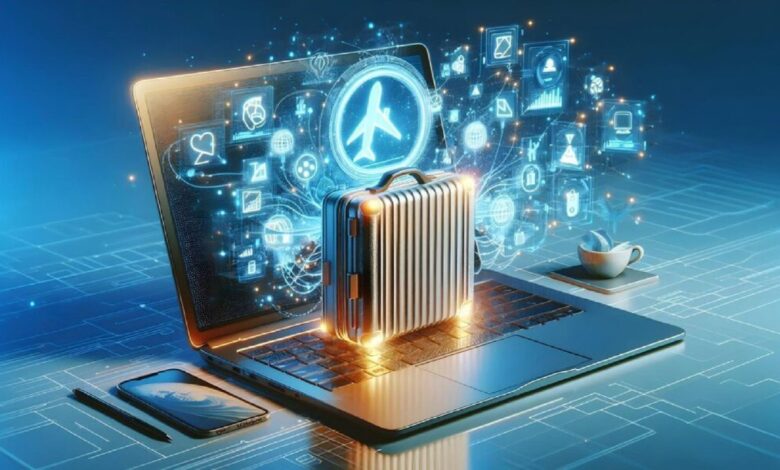
In the 21st century, the travel experience has been fundamentally redefined. Gone are the days of paper tickets and bulky guidebooks. Today, technology is no longer a separate tool for booking and planning; it is an integrated, seamless, and often invisible part of the entire journey. From the moment a traveler begins to dream of a destination to the moment they return home, technology is at the very heart of the experience, making travel more personalized, more efficient, and more immersive than ever before. This is the era of tech-enhanced travel, and it is a revolution that is reshaping not only how we explore the world but also what we expect from it. This definitive guide will delve into the core principles and key technologies that are driving this transformation, providing the blueprint for both travelers seeking a smarter journey and the businesses striving to meet this new demand.
The Foundational Shifts in Modern Travel
Before we explore specific technologies, it’s crucial to understand the powerful forces that are making technology a critical driver of the travel industry. These are the underlying trends that are creating new opportunities for innovation and a new set of expectations for travelers.
A. The Consumer’s Demand for Frictionless Journeys
In a world of on-demand services and instant gratification, travelers have a zero-tolerance policy for friction. They expect a seamless, hassle-free experience from the very first click. This means instant booking confirmations, streamlined check-ins, and a smooth journey from the airport to the hotel. Technology is the primary tool for eliminating this friction, from digital check-ins that bypass the front desk to real-time updates on flight and luggage status. The businesses that master the art of the frictionless journey will have a significant competitive edge.
B. The Rise of Personalization at Scale
Generic travel packages and one-size-fits-all itineraries are a thing of the past. The modern traveler is seeking a personalized, unique experience that is tailored to their specific interests, needs, and preferences. Technology, particularly AI and big data, is the engine that is making this level of personalization possible at scale. It allows travel companies to collect and analyze vast amounts of data to create truly individualized experiences, from a personalized list of restaurant recommendations to a custom-made itinerary.
C. Technology as a Bridge to Authenticity
While some may fear that technology will dehumanize travel, its true power lies in its ability to be a bridge to a more authentic and genuine experience. Technology can connect a traveler with a local guide, a family-run restaurant, or a unique, off-the-beaten-path experience that they would not have been able to find on their own. It can provide a level of intimacy, authenticity, and personalization that is not available in a crowded, commercialized tour. Technology is not a replacement for human connection; it is a tool that can facilitate it.
D. The Blurring of Digital and Physical Experiences
The lines between the digital and physical worlds are dissolving. Travelers no longer see them as separate channels but as a single, interconnected journey. The future of travel is “phygital,” seamlessly blending the convenience of online booking and planning with the sensory experience and human connection of a physical destination. A business that masters this blend will provide a superior customer experience, whether a customer is browsing on their phone or walking into a hotel lobby.
Key Technologies Revolutionizing the Travel Journey
Building on these core principles, here are the most significant technologies that are driving the tech-enhanced travel revolution. Each technology represents a powerful tool for both travelers and the travel industry.
A. Artificial Intelligence (AI) and Machine Learning
AI is no longer a futuristic concept; it is a practical tool that is revolutionizing every aspect of the travel journey, from the moment a traveler starts planning to the moment they return home.
- A. AI-Powered Itinerary Planning: AI-powered travel apps and websites can now create a custom itinerary based on a traveler’s interests, budget, and travel style. The AI can analyze vast amounts of data to provide a personalized list of activities, restaurants, and sights, all while optimizing the route for efficiency. This saves a traveler hours of planning and ensures that they have a truly unique, custom-made experience.
- B. Predictive Analytics for Dynamic Pricing: AI-powered predictive analytics can now forecast demand and provide dynamic pricing for flights, hotels, and tours. This allows travelers to find the best deals and helps businesses to optimize their pricing strategies. It’s a win-win for both parties, as travelers get a great price and businesses can maximize their revenue.
- C. Conversational AI and Chatbots: AI-powered chatbots are a powerful tool for customer service. They can answer a traveler’s questions, provide real-time updates on a flight’s status, and even book a hotel room or a tour. This provides a level of convenience and instant gratification that is not available with a traditional customer service representative.
B. Virtual and Augmented Reality (VR/AR)
Virtual and augmented reality are no longer just for gaming. They are transforming the travel experience by allowing travelers to explore a destination before they even leave home.
- D. VR for Pre-Travel Exploration: VR can now transport a traveler to a destination before they even leave home. A traveler can use a VR headset to “walk” through a hotel lobby, “explore” a museum, or “hike” a national park. This can help a traveler make a more informed decision about a destination and can also provide a sense of anticipation and excitement.
- E. AR for On-Location Navigation and Information: Once a traveler arrives at a destination, AR can provide a new level of on-location information. A traveler can use their smartphone to point their camera at a building and get real-time information about its history, its architecture, and its significance. AR can also be used for navigation, providing a level of a seamless, stress-free experience that is not available with a traditional map.
C. The Internet of Things (IoT) and Smart Devices
The Internet of Things (IoT) is a network of interconnected devices that can collect and exchange data. This technology is revolutionizing the travel experience by making it more seamless, personalized, and efficient.
- F. Smart Hotels and Personalized Stays: Smart hotels are using IoT to provide a new level of personalized service. A guest can use a smartphone to control the lighting, the temperature, and the music in their room. They can also get personalized recommendations for restaurants and activities based on their preferences.
- G. Smart Luggage and Tracking: Smart luggage is using IoT to provide a new level of convenience and security. A traveler can use a smartphone to track their luggage in real time, and can also use a biometric lock to secure their bag. This provides a level of peace of mind that is not available with a traditional suitcase.
- H. Contactless Travel and Digital Wallets: Contactless technology is making travel more seamless and efficient. A traveler can use a digital wallet on their smartphone to pay for everything from a flight to a cup of coffee. This eliminates the need for a physical wallet and provides a level of convenience that is not available with a traditional credit card.
D. Big Data and Personalization
Big data is the fuel that powers the tech-enhanced travel revolution. It is the collection and analysis of vast amounts of data from every aspect of the travel journey, from a traveler’s search history to their social media activity.
- I. Hyper-Personalized Recommendations: Big data can be used to create a profile of a traveler’s interests, needs, and preferences. This allows travel companies to provide a level of personalization that is not available with a traditional travel agency. A traveler can get a personalized list of recommendations for restaurants, activities, and sights that are tailored to their specific interests.
- J. Data-Driven Marketing and Customer Experience: Big data can be used to improve a business’s marketing and customer experience. It can be used to create more targeted marketing campaigns, to provide a more seamless customer journey, and to improve a business’s operational efficiency.
E. Blockchain for Trust and Transparency
Blockchain technology is a new, decentralized technology that can be used to create a tamper-proof record of transactions. This technology is revolutionizing the travel industry by providing a new level of trust and transparency.
- K. Decentralized Identity and Biometric Authentication: Blockchain can be used to create a decentralized identity that is stored on a traveler’s smartphone. This allows a traveler to use a single, secure identity for everything from a flight to a hotel check-in. This eliminates the need for a physical passport and provides a level of security that is not available with a traditional identity.
- L. Transparent Supply Chains for Sustainable Tourism: Blockchain can be used to create a tamper-proof record of a product’s supply chain, providing a level of transparency that was once impossible. A traveler can now use a smartphone to scan a QR code on a product and get real-time information about its origin, its ethical practices, and its environmental impact. This builds a powerful level of trust with a conscious traveler and provides a significant competitive advantage for a business.
Practical Applications for Travelers and Businesses

Understanding these technologies is just the first step. The real challenge is integrating them into your travel and business strategy.
A. A Tech-Savvy Journey
- A. Use a travel app: A travel app is a great way to plan and book your trip, to get real-time information on your location, and to stay connected to loved ones back home.
- B. Embrace contactless travel: Use a digital wallet on your smartphone to pay for everything from a flight to a cup of coffee. This eliminates the need for a physical wallet and provides a level of convenience that is not available with a traditional credit card.
- C. Leverage AI for personalization: Use AI-powered travel apps and websites that can create a personalized itinerary based on your interests, budget, and travel style. This saves you hours of planning and ensures that you have a truly unique, custom-made experience.
B. The Blueprint for Innovation
- A. Invest in a robust customer data platform: A customer data platform (CDP) is a unified database that consolidates customer data from all sources. This allows you to create a single, comprehensive view of your customer and to provide a level of personalization that is not available with a traditional CRM.
- B. Use AI for operational efficiency: Use AI to automate routine tasks, such as customer service inquiries, dynamic pricing, and a personalized website experience. This frees up your team to focus on high-value activities like strategy and human connection.
- C. Embrace blockchain for transparency: Use blockchain to create a tamper-proof record of your supply chain, your sustainable practices, and your social impact. This builds a powerful level of trust with a conscious traveler and provides a significant competitive advantage for a business.
Conclusion
The pursuit of a more meaningful and purposeful travel experience is a journey of foresight, strategy, and a deep, authentic connection to the world. The era of a business solely focused on profit is over, and in its place, a new and more powerful model has emerged, one where success is defined not just by financial returns, but by a company’s commitment to sustainability, purpose, and social good.
The tech-enhanced travel models explored in this guide are not just a feel-good trend; they are a fundamental driver of profitability, resilience, and long-term value. From the regenerative traveler who leaves a place better than they found it to the community-based tour operator that empowers a local village, the opportunities for innovation and positive impact are immense.
For the modern traveler, this new landscape presents a monumental opportunity. It is a chance to move beyond the tourist traps and to embark on a journey of personal growth, cultural exchange, and a deeper connection to the planet. It is a chance to travel with a purpose, to make a positive impact, and to create memories that are not just for a photograph but for a lifetime. The future of travel is not just about where we go; it’s about how we go, and the impact we have along the way.