For the discerning traveler, a trip is no longer just about seeing the world; it’s about tasting it. Food, once a secondary part of the travel experience, has emerged as the central theme of a new kind of exploration. This is the era of the culinary journey, a purposeful adventure designed to immerse you in a destination’s culture, history, and community through its food. It’s about moving beyond tourist restaurants and pre-packaged tours to embrace the authenticity of a local market, the intimacy of a cooking class in a family’s home, and the thrill of discovering a hidden gem in a quiet alley. This is a journey that connects you to the heart and soul of a place in a way that sightseeing alone never could. This definitive guide will take you on a deep dive into the foundational mindset of a food traveler, the core elements of an unforgettable culinary journey, and the actionable strategies to help you plan and execute the food adventure of your dreams.
The Foundational Mindset of a Food Traveler
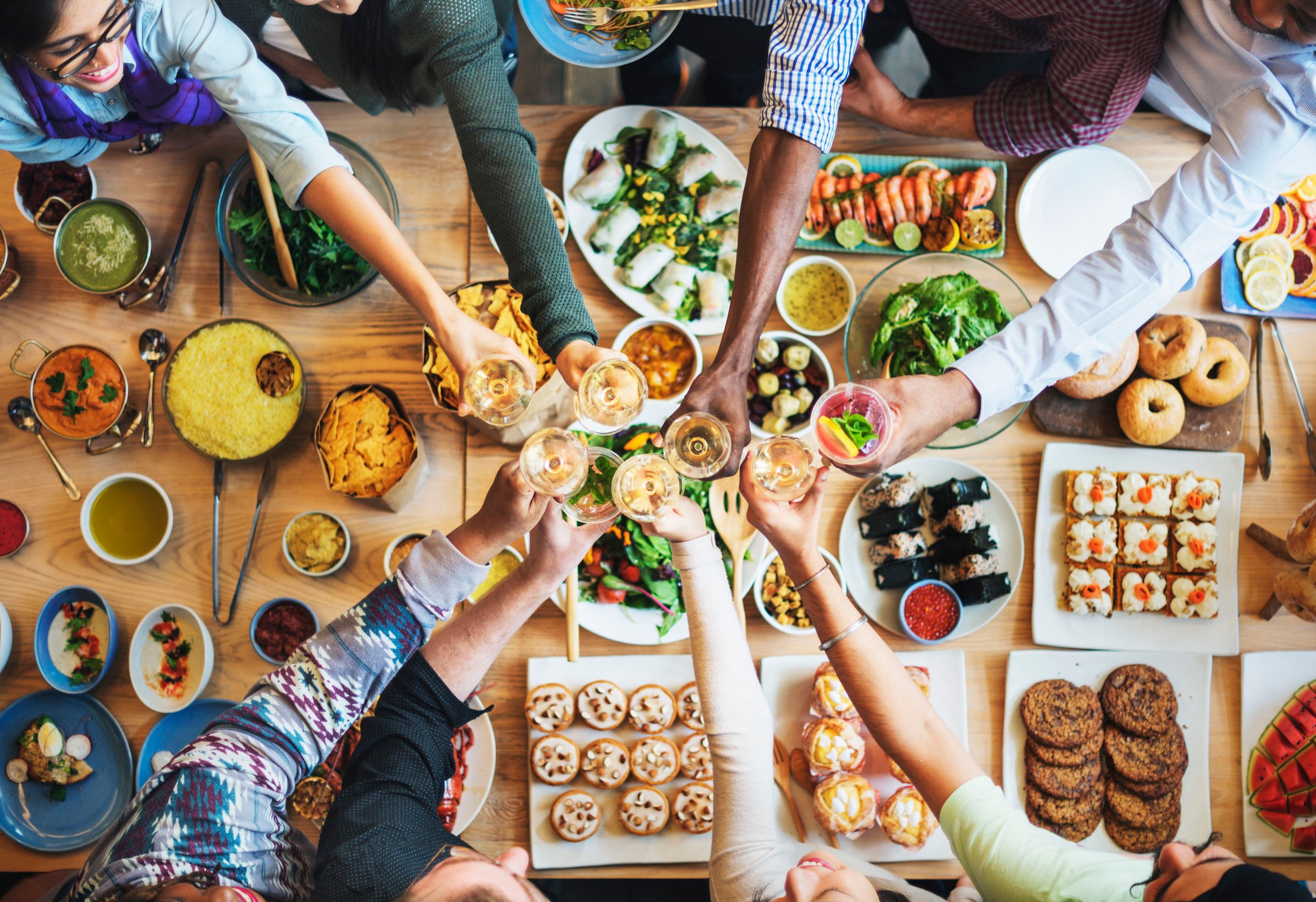
Before you book a flight or reserve a table, the most important step is to cultivate a new mindset. This is the inner foundation upon which every successful culinary journey is built.
A. Food as a Gateway to Culture and History
The first principle of a food traveler is to view food not just as sustenance, but as a gateway to a culture’s history, traditions, and values. Every dish tells a story—a story of the land, of the people, of the generations that have passed down a recipe. By engaging with a destination through its cuisine, you gain a deeper, more personal understanding of its people and its history. This is the difference between simply eating a dish and understanding its significance in the local culture. It is a recognition that the most valuable things in life are not the things you see, but the things you taste, the stories you hear, and the connections you make.
B. The Pursuit of Authenticity and Local Flavors
The traditional model of travel often leads to a sanitized, commercialized version of a destination’s cuisine. The food traveler, however, trades this convenience for a deeper, more authentic experience. This means seeking out local markets, eating at family-run restaurants, and trying street food that is a reflection of a destination’s true heart and soul. This is a journey of intentionality, where the traveler chooses to engage with a destination through its local flavors, not through a pre-packaged, tourist-friendly version of a local dish.
C. The Thrill of Discovery
The feeling of stumbling upon a quiet, family-run restaurant in a hidden alley, a bustling local market that is a kaleidoscope of colors and smells, or a small, unassuming coffee shop that serves the best coffee you’ve ever had is one of the greatest joys of a culinary journey. This thrill of discovery is the driving force behind a food traveler. It is a feeling that cannot be bought or pre-packaged. It is earned through a willingness to explore, to wander, and to be open to the unexpected. This is a journey that is about a personal, unique experience that is yours and yours alone.
D. The Value of Storytelling and Connection
Food is a universal language, a powerful tool for connection and storytelling. A culinary journey is a chance to connect with a local chef, a local artisan, or a local farmer. It is a chance to hear their stories, to learn about their traditions, and to gain a deeper understanding of their way of life. This is a journey of intentionality, where the traveler chooses to engage with a destination through its people, its stories, and its culture. This is a recognition that the most valuable things in life are not the things you own, but the connections you make and the stories you hear.
The Core Elements of a Culinary Journey
Based on these foundational principles, here are the most important pillars that every food traveler should embrace to make their journey an unforgettable culinary adventure.
A. The Local-Led Food Tour
A local-led food tour is a great way to get an insider’s perspective on a destination’s local cuisine. These tours are not just about eating; they are about learning about a destination’s history, its culture, and its people through its food.
- A. Street Food Tours: Street food is a great way to experience a destination’s local cuisine on a budget. A street food tour, led by a local guide, can take you to the best street food stalls and can provide you with a deeper understanding of the local food culture.
- B. Local Market Expeditions: A local market is a microcosm of a destination’s culture. A market expedition, led by a local guide, can provide you with a deeper understanding of the local food system, its seasonal produce, and its local traditions. It is a chance to engage with local farmers and artisans and to learn about their stories.
B. The Immersive Learning Experience
The best part of a culinary journey is the opportunity to learn a new skill and to get a hands-on experience with a destination’s local cuisine.
- C. Hands-On Cooking Classes: A cooking class with a local family or a local chef is a powerful way to have an authentic, immersive, and educational experience. It provides an opportunity to learn a new skill, to learn about a local culture on a deeper level, and to build a personal relationship with a local family.
- D. Farm-to-Table Experiences: A farm-to-table experience is a great way to get a deeper understanding of a destination’s local food system. These experiences, often held at a local farm or a local restaurant, provide an opportunity to learn about a destination’s local produce, its local traditions, and its local culture.
C. The Beverage and Gastronomy Trail
The world of food is not just about what you eat; it’s also about what you drink. A beverage and gastronomy trail is a great way to explore a destination’s local culture through its local drinks.
- E. Wine and Vineyard Tours: A wine and vineyard tour is a great way to explore a destination’s local culture through its local drinks. These tours, often held at a local vineyard, provide an opportunity to learn about a destination’s local wine, its local traditions, and its local culture.
- F. Coffee and Tea Plantations: A coffee or a tea plantation tour is a great way to get a deeper understanding of a destination’s local food system. These tours, often held at a local plantation, provide an opportunity to learn about a destination’s local coffee or tea, its local traditions, and its local culture.
D. The Unique & Experiential Dining
These dining experiences are focused on a deeper level of healing and transformation, using practices that are designed to promote inner peace and well-being.
- G. Dining in a Local Home: A dinner with a local family is a powerful way to have a genuine cultural exchange. It provides an opportunity to learn about a local culture on a deeper level, to share stories, and to build a personal relationship with a local family.
- H. Food Festivals and Culinary Events: A food festival or a culinary event is a great way to experience a destination’s local cuisine on a massive scale. These events, often held in a city center, provide an opportunity to try a wide variety of local dishes, to meet local chefs and artisans, and to get a sense of a destination’s local food culture.
The Foodie Traveler’s Action Plan
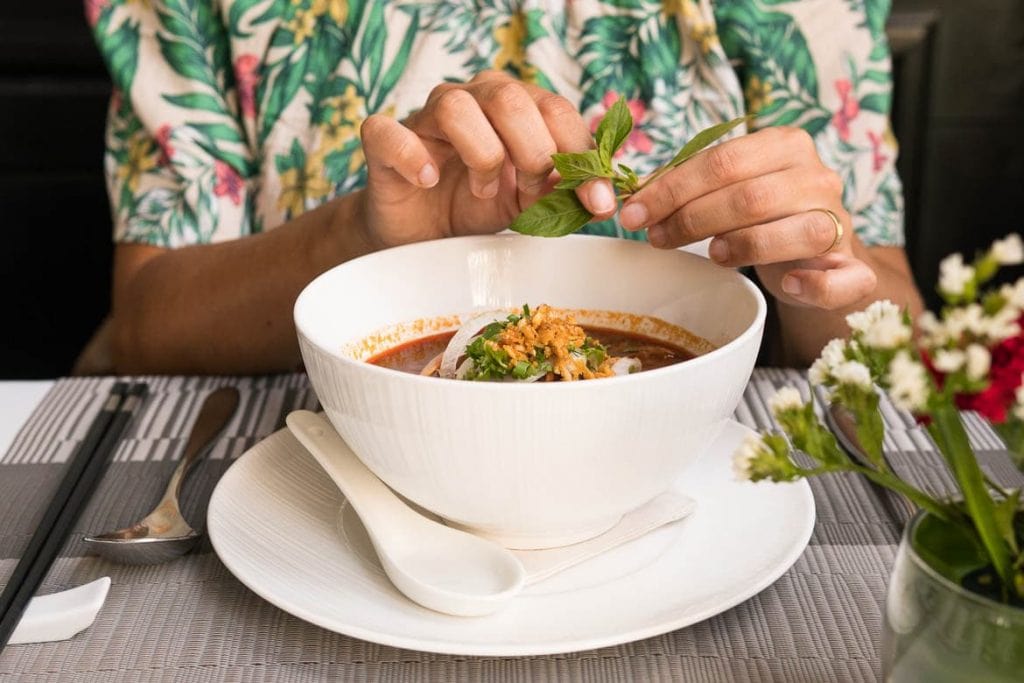
Finding an authentic culinary journey is a journey that requires both a change in mindset and a clear action plan. Here are a few simple but important steps to ensure your journey is a force for good.
A. Researching and Vetting Culinary Experiences
Before you book a tour or a restaurant, do your research. Look for a tour or a restaurant that has a clear commitment to your goals, a strong track record, and a community of like-minded individuals. Read reviews from other travelers and look for a clear commitment to authenticity and a positive impact on the local community.
B. The Art of Letting Go of the Plan
The most memorable culinary experiences often happen by accident. They are a result of a willingness to let go of the itinerary, to take a different path, and to embrace the unexpected. The art of a culinary journey is to trust your instincts, to be spontaneous, and to be open to the possibility that the best part of your journey may be something that you did not plan.
C. The Importance of Cultural Humility
When you travel to a new destination, you are a guest in someone else’s home. It is important to approach a new culture with humility, with a willingness to learn, and with a sense of respect. This means being open to new perspectives, new ideas, and new ways of life. It is a recognition that you are not there to judge but to learn and to grow.
D. Using Technology as a Tool for Discovery
While technology can be a barrier to an authentic experience, it can also be a powerful tool for facilitating one. Use a translation app to have a conversation with a local, use a local map to find a hidden gem, and use social media to connect with a local community. The key is to use technology as a tool for discovery, not as a barrier to one.
The Ultimate Culinary Journeys by Region
To illustrate these principles, here are some of the most unforgettable culinary journeys, categorized by the type of experience they offer. These are not specific, real-world places, as the beauty of a truly transformative destination is that it remains a secret. Instead, they are archetypes that represent the kind of experience you can find if you are willing to look.
A. Southeast Asia
Southeast Asia is a great destination for a culinary journey. The region is known for its stunning natural beauty, its ancient culture, and its vibrant street food. The cost of living is very low, and you can find a wide variety of affordable accommodation, food, and activities.
- A. Thailand: Known for its stunning beaches, ancient temples, and vibrant street food.
- B. Vietnam: A great destination for a food lover, with a stunning array of street food and a rich cultural heritage.
- C. Indonesia: A great destination for a food lover, with a stunning array of street food and a rich cultural heritage.
B. The Mediterranean
The Mediterranean is a great destination for a culinary journey. The region is known for its stunning natural beauty, its ancient culture, and its vibrant food culture. The cost of living is very high, but you can find a wide variety of affordable accommodation, food, and activities.
- A. Italy: Known for its stunning architecture, ancient history, and vibrant food culture.
- B. Greece: A great destination for a history lover, with a stunning array of ancient ruins and a rich cultural heritage.
- C. Spain: A great destination for a food lover, with a stunning array of street food and a rich cultural heritage.
C. Latin America
Latin America is a great destination for a culinary journey. The region is known for its stunning natural beauty, its ancient culture, and its vibrant food culture. The cost of living is very low, and you can find a wide variety of affordable accommodation, food, and activities.
- A. Peru: A great destination for a food lover, with a stunning array of street food and a rich cultural heritage.
- B. Mexico: A great destination for a food lover, with a stunning array of street food and a rich cultural heritage.
- C. Colombia: A great destination for a food lover, with a stunning array of street food and a rich cultural heritage.
Conclusion
The pursuit of an unforgettable culinary journey is a journey of foresight, strategy, and a deep, authentic connection to the world. It is a philosophy that is not just about saving money but about a mindset that redefines travel not as a luxury, but as a core priority. The most valuable part of a journey is not the money you spend, but the experiences you have, the people you meet, and the memories you create. A food traveler is not a passive observer but an active participant in their journey, a problem-solver, a trend forecaster, and a master of the art of frugality.
The culinary journey models explored in this guide are not just a feel-good trend; they are a fundamental driver of personal growth, resilience, and a deeper connection to the world. From the traveler who takes a cooking class with a local family to the one who eats street food, the opportunities for a truly transformative experience are immense. For the modern traveler, this new landscape presents a monumental opportunity. It is a chance to move beyond the tourist traps and to embark on a journey of personal growth, cultural exchange, and a deeper connection to the planet. It is a chance to travel with a purpose, to make a positive impact, and to create memories that are not just for a photograph but for a lifetime. The future of travel is not just about where we go; it’s about how we go, and the person we become along the way.