The world of travel is undergoing a profound and irreversible transformation. For generations, travel was often a simple transaction: a flight, a hotel room, and a checklist of famous landmarks. But in the 21st century, the environmental and social impacts of this model have become too great to ignore. A new paradigm has emerged, one where the journey is as important as the destination, and where the goal is not just to see the world, but to do so with a deeper sense of purpose and responsibility. This is the era of conscious travel, a holistic approach that considers the economic, social, and environmental impact of every trip. For the modern traveler and the businesses that serve them, embracing this philosophy is not a fleeting trend but a fundamental shift towards building a more sustainable and meaningful future for the entire planet. This definitive guide will unveil the core principles and powerful models that are defining the next generation of travel, providing the blueprint for anyone looking to explore the world with intention and integrity.
The New Travel Paradigm
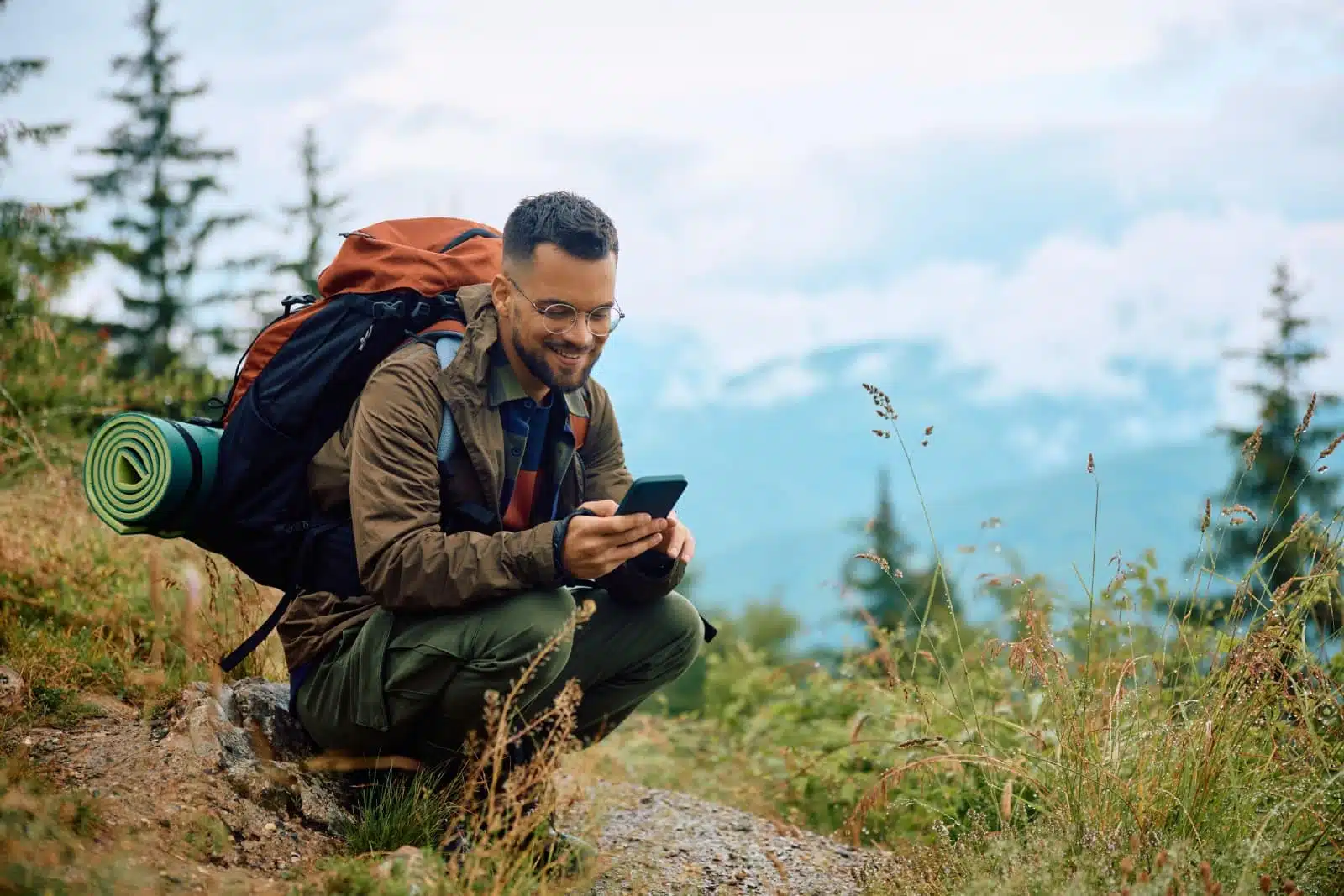
Before we explore specific models, it’s essential to understand the powerful forces that are making conscious travel a critical driver of the tourism industry. This is not about a temporary fad; it is about a deep-seated change in consumer behavior, global economics, and our collective environmental awareness.
A. The Global Impact of Tourism
Tourism is a massive and powerful industry, but it has a significant environmental footprint. From the carbon emissions of air travel to the waste generated by hotels and the strain on local resources, the impact is undeniable. Conscious travel is a direct response to this, providing a framework for minimizing negative impacts and actively contributing to the well-being of a destination. It’s a recognition that every journey has consequences, and a responsible traveler is one who seeks to make those consequences positive.
B. The Rise of the Conscious Consumer
A new generation of travelers, including Millennials and Gen Z, is increasingly making purchasing decisions based on a brand’s ethical and environmental track record. They are informed, socially aware, and willing to pay a premium for experiences that align with their personal values. This shift from a price-first to a value-first mindset has created a massive market for purpose-driven travel companies. A business that is transparent about its sustainability efforts and its support for local communities will build a powerful level of trust and loyalty that is impossible to replicate with traditional marketing alone.
C. Financial Incentives for Sustainable Practices
Contrary to the old belief that sustainability is a cost, mounting evidence shows that it is a driver of long-term financial performance. By investing in energy-efficient infrastructure, reducing waste, and building a resilient, ethical supply chain, a travel business can not only reduce its operational costs but also attract a growing base of conscious consumers. These practices also future-proof a business against stricter environmental regulations and financial penalties, making sustainability a sound long-term investment.
D. Cultural Preservation and Authenticity
Mass tourism, with its focus on speed and volume, often degrades the very cultures and environments that travelers come to experience. Conscious travel, on the other hand, is a force for cultural preservation. By prioritizing authentic, community-based experiences, it helps to support local traditions, empower indigenous communities, and ensure that the unique character of a destination is not lost to commercialization. This is a win-win for both the traveler, who gets a more meaningful experience, and the local community, which gets to share its culture on its own terms.
The Core Pillars of Conscious Travel
Based on these foundational principles, here are the most important pillars that every conscious traveler should embrace to make their journey a force for good.
A. Environmental Responsibility
This pillar is about minimizing your footprint and leaving a destination better than you found it. It is the most visible and often the first step in the conscious travel journey.
- A. Reducing Your Carbon Footprint: Air travel is a major contributor to global emissions. To be a conscious traveler, you can choose airlines with a commitment to sustainable fuels, opt for direct flights, and consider taking a train or bus for shorter distances. You can also offset your carbon footprint by supporting certified climate projects.
- B. Minimizing Your Waste: The average tourist generates a significant amount of waste, particularly single-use plastics. To be a conscious traveler, you can carry a reusable water bottle, a coffee mug, and a set of cutlery. You can also choose accommodations that have a robust recycling program and a commitment to reducing waste.
- C. Supporting Conservation Efforts: Many destinations are home to fragile ecosystems and endangered species. A conscious traveler can support local conservation efforts by choosing tour operators that are committed to ethical wildlife tourism and by donating to local conservation organizations. Your presence and your money can be a powerful force for protecting the planet’s biodiversity.
B. Social and Cultural Responsibility
This pillar is about showing respect for the local communities you visit and ensuring that your journey has a positive social impact.
- D. Empowering Local Communities: The most meaningful way to support a destination is to spend your money directly with the local community. This means choosing to stay in a locally owned guesthouse, eating at a local restaurant, and buying souvenirs from local artisans. This ensures that your money stays in the community and helps to support the local economy.
- E. Respecting Local Cultures and Traditions: A conscious traveler takes the time to learn about the local culture, customs, and traditions before they arrive. This means dressing appropriately for the local culture, asking for permission before taking photographs, and being open to new experiences. A simple act of respect can go a long way in building a positive relationship with a local community.
- F. Ethical Wildlife and Animal Tourism: Many tour operators offer experiences that involve animals, such as elephant rides or swimming with dolphins. A conscious traveler should do their research and choose tour operators that are committed to ethical wildlife tourism. This means choosing experiences that are focused on conservation and education, and that do not involve the exploitation or abuse of animals.
C. Economic Responsibility
This pillar is about ensuring that your money is a force for good. It is about choosing businesses and experiences that are transparent, ethical, and committed to a positive social and environmental impact.
- G. Supporting Local Economies Directly: When you choose to eat at a local restaurant or stay in a locally owned guesthouse, your money stays in the community and helps to support local jobs and families. This is a simple but powerful way to make a positive impact on the local economy.
- H. Choosing Purpose-Driven Businesses: Many businesses, from hotels to tour operators, have a commitment to a social or environmental cause. A conscious traveler can choose to support these businesses, knowing that a portion of their money will be used to support a cause that is important to them. This is a way to make your spending a statement of your values.
Practical Models for Conscious Travel

Based on these core pillars, here are some of the most innovative and powerful models for conscious travel that are currently thriving or are poised for exponential growth.
A. Regenerative Travel
Regenerative travel is a step beyond sustainability. It is a philosophy that aims to not only minimize a negative impact but to actively leave a positive one. This could involve participating in a local reforestation project, helping to restore a coral reef, or contributing to a community-based development project. It is a form of travel that is focused on giving back and being a force for positive change.
B. Community-Based Tourism
Community-based tourism is a model that is centered on the local community. It is a form of travel where visitors are invited to stay in a local village, learn about the local culture, and participate in community activities. This is a powerful way to have an authentic, immersive, and educational experience that supports the local economy and helps to preserve local traditions.
C. Slow Travel
Slow travel is a philosophy that encourages travelers to slow down, to stay in a single location for a longer period of time, and to get to know the local culture and community. It is a way to have a more authentic, immersive, and educational experience that is also more sustainable, as it reduces your carbon footprint from frequent flights and travel.
D. Volunteer Tourism
Volunteer tourism is a model that allows travelers to use their skills and time to contribute to a local project or community. This could involve teaching English to local children, helping to build a new school, or contributing to a local conservation project. This is a powerful way to have a meaningful travel experience that is also a force for positive change in the world.
The Role of Technology and Business in Conscious Travel
The conscious travel revolution is not just for travelers; it is also a fundamental shift for businesses that serve them. Technology is a powerful tool for driving this change, providing transparency, efficiency, and a platform for purpose-driven brands.
A. Technology for Transparency
Technology is making it easier for travelers to make conscious choices. Apps and websites can now track a hotel’s energy consumption, a tour operator’s commitment to ethical tourism, and a restaurant’s sourcing practices. Blockchain technology can be used to create a tamper-proof record of a product’s supply chain, providing a level of transparency that was once impossible.
B. The Rise of B Corp and Certified Sustainable Travel Companies
Many travel companies are now pursuing certification from organizations like B Corp, which verifies a company’s commitment to social and environmental performance, public transparency, and legal accountability. A traveler can now choose to support a certified B Corp, knowing that the company has met the highest standards of purpose-driven business.
C. The New Role of Hotels and Tour Operators
In the past, hotels and tour operators were just service providers. In the new era of conscious travel, they are becoming partners in a mission. They are providing transparent information about their sustainable practices, offering community-based tours, and creating packages that are focused on wellness, conservation, and cultural immersion. They are not just selling a trip; they are selling a purpose, a story, and a transformative experience.
Conclusion
The pursuit of a more meaningful and purposeful travel experience is a journey of foresight, strategy, and a deep, authentic connection to the world. The era of a business solely focused on profit is over, and in its place, a new and more powerful model has emerged, one where success is defined not just by financial returns, but by a company’s commitment to sustainability, purpose, and social good.
The sustainable travel models explored in this guide are not just a feel-good trend; they are a fundamental driver of profitability, resilience, and long-term value. From the regenerative traveler who leaves a place better than they found it to the community-based tour operator that empowers a local village, the opportunities for innovation and positive impact are immense.
For the modern traveler, this new landscape presents a monumental opportunity. It is a chance to move beyond the tourist traps and to embark on a journey of personal growth, cultural exchange, and a deeper connection to the planet. It is a chance to travel with a purpose, to make a positive impact, and to create memories that are not just for a photograph but for a lifetime. The future of travel is not just about where we go; it’s about how we go, and the impact we have along the way.