

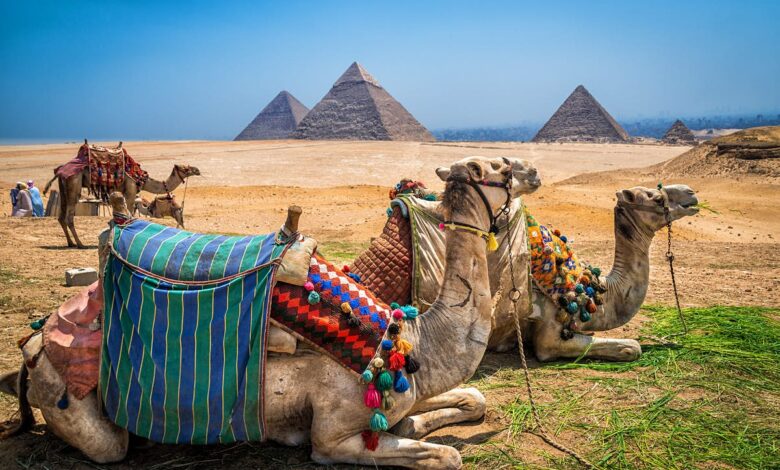
In the age of mass tourism and social media feeds, the concept of travel has been profoundly altered. The old model, often a hurried checklist of famous landmarks and pre-packaged tours, has left many travelers feeling disconnected and unfulfilled. A new desire has emerged for something more meaningful: a deeper, more genuine connection to a destination and its people. This is the essence of authentic cultural travel, a purposeful journey that moves beyond the superficial to embrace a destination’s true heart and soul. It is a philosophy that is not about seeing the world, but about immersing oneself in it, engaging with local communities, and creating memories that are not just for a photograph but for a lifetime. This definitive guide will unveil the core principles and powerful strategies for finding these authentic experiences, providing the blueprint for anyone looking to transform their journey into a force for personal growth and positive impact.
The New Travel Paradigm
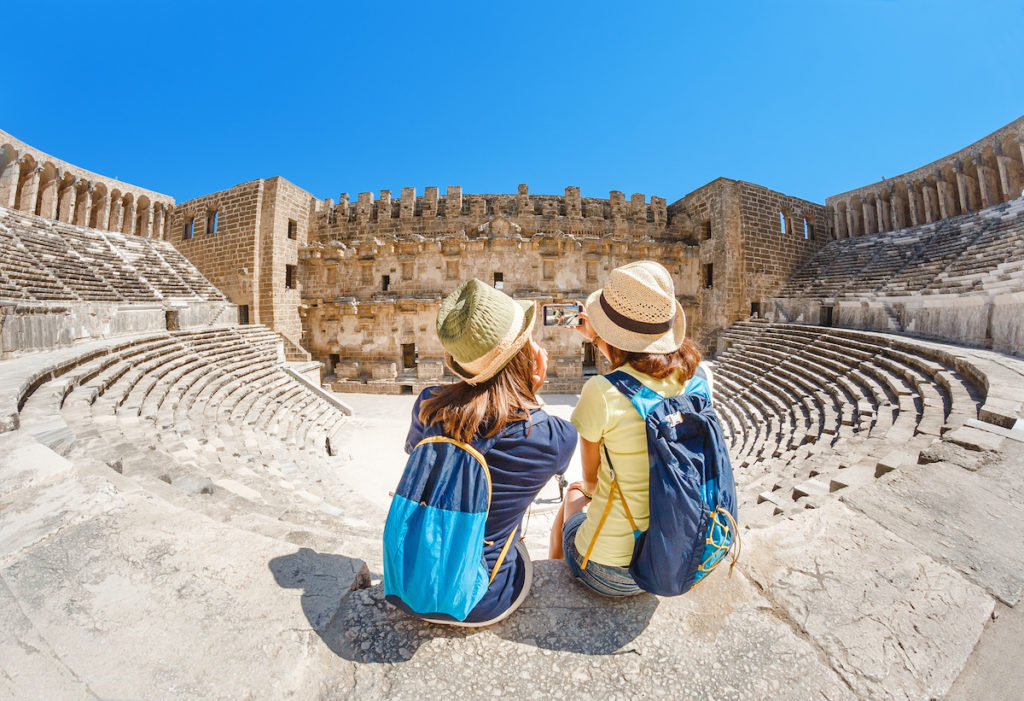
Before we explore specific strategies, it’s crucial to understand the foundational shifts that are driving the demand for authentic cultural travel. This is a fundamental change in mindset for both the traveler and the tourism industry.
A. The Shift from Passive Observation to Active Participation
The traditional tourist is a passive observer, watching a destination from a distance. The authentic traveler is an active participant, engaging with the local culture, learning a new skill, and contributing to the community. This shift is a response to a world that feels increasingly superficial, offering a genuine, human connection that is not found in a brochure. This is the difference between watching a traditional dance and learning the steps, or eating at a fancy restaurant and taking a cooking class in a local home.
B. The Pursuit of Deeper Connections
In an era of hyper-connectivity, many people feel a deep sense of isolation. Authentic cultural travel is a powerful antidote to this, providing an opportunity for a deeper connection to a destination and its people. This can be a conversation with a local artisan, a meal shared in a family-run restaurant, or a moment of shared laughter with a local guide. These are the moments that truly define a journey and create lasting memories that are not found in a crowded landmark.
C. The Economic and Social Impact of Authenticity
Authentic cultural travel is not just about a personal experience; it is a force for social and economic good. By prioritizing locally owned businesses, employing local guides, and supporting local artisans, you are ensuring that your money stays in the community and helps to support the local economy directly. This is a form of responsible travel that empowers local communities and helps to preserve their unique culture and way of life. It is a recognition that every journey has consequences, and a responsible traveler is one who seeks to make those consequences positive.
D. Cultural Preservation as a Core Value
Mass tourism, with its focus on speed and volume, often degrades the very cultures and environments that travelers come to experience. Authentic cultural travel, on the other hand, is a force for cultural preservation. By prioritizing community-based experiences, it helps to support local traditions, empower indigenous communities, and ensure that the unique character of a destination is not lost to commercialization. This is a win-win for both the traveler, who gets a more meaningful experience, and the local community, which gets to share its culture on its own terms.
The Core Pillars of an Authentic Experience
Based on these foundational shifts, here are the most important pillars that every authentic traveler should embrace to make their journey a force for good.
A. Immersive Learning and Skills Exchange
This pillar is about moving beyond observation and actively participating in the local culture. It is a powerful way to gain a deeper understanding of a destination and its people.
- A. Taking Local-Led Workshops: A cooking class with a local family, a pottery workshop with a local artisan, or a language class in a local community center are all powerful ways to have an authentic, immersive, and educational experience. These experiences provide a level of intimacy and a sense of connection that is not available in a traditional tour.
- B. Language Immersion and Homestays: A homestay with a local family is a powerful way to have a genuine cultural exchange. It provides an opportunity to learn a new language, to learn about a local culture on a deeper level, and to build a personal relationship with a local family. This is the ultimate form of authentic cultural travel, and it is a powerful way to transform your journey into a force for good.
B. Community-Based and Ethical Engagement
This pillar is about ensuring that your journey has a positive social and economic impact on the local community. It is a way to make your spending a statement of your values.
- C. Staying in Locally Owned Guesthouses: The most powerful way to support a destination is to spend your money directly with the local community. This means choosing to stay in a locally owned guesthouse instead of a massive chain hotel. These guesthouses often provide a more personalized, authentic, and luxurious experience than a chain hotel, and your money stays in the community and helps to support the local economy.
- D. Supporting Local Artisans and Businesses: When you buy a souvenir from a local artisan or eat at a local restaurant, you are ensuring that your money stays in the community and helps to support the local economy directly. This is a simple but powerful way to make a positive impact on the local economy and to preserve a destination’s unique culture and traditions.
C. The “Slow Travel” Philosophy
Slow travel is a philosophy that encourages travelers to slow down, to stay in a single location for a longer period of time, and to get to know the local culture and community. It is a way to have a more authentic, immersive, and educational experience that is also more sustainable, as it reduces your carbon footprint from frequent flights and travel.
- E. The Art of a Deeper Dive: The slow traveler is not in a hurry. They take the time to wander through local neighborhoods, to sit in a quiet cafe and people-watch, and to have a conversation with a local. This is a way to have a deeper, more meaningful experience that is not focused on a checklist of famous landmarks.
- F. Public Transport and Local Pace: The slow traveler uses public transport, walks, and bikes to get around. This is a way to get a deeper sense of a destination’s local culture and a chance to meet locals. It is a way to travel at a local pace, to see the city from a different perspective, and to have a more authentic experience.
D. Finding the “Hidden Gems”
While the famous landmarks are beautiful, the most authentic experiences are often found in the places that are not in the guidebooks. These are the hidden gems that are a reflection of a destination’s true heart and soul.
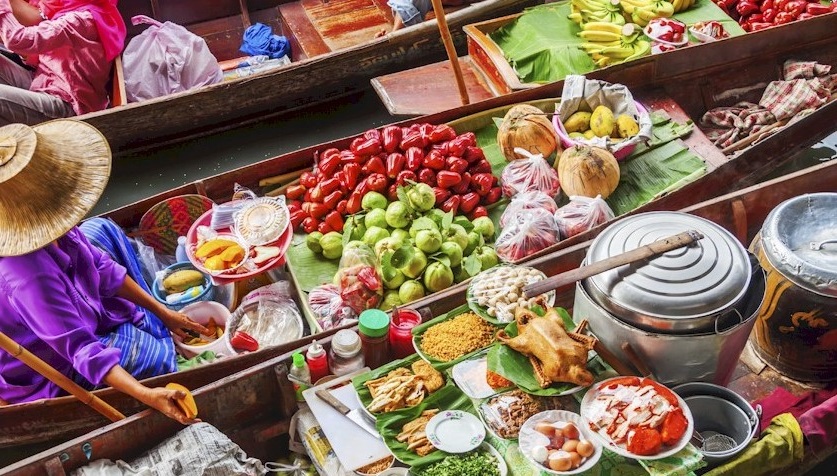
- G. Exploring Local Markets and Neighborhoods: A local market is a microcosm of a destination’s culture. It is a place where you can find local food, local crafts, and a sense of community. The neighborhoods that are off the beaten path are a great way to get a deeper sense of a destination’s local culture and to find a quiet, secluded cafe or a family-run restaurant.
- H. Following Local Recommendations: The most valuable resource for finding a hidden gem is a local. A local knows the places that tourists don’t, the best times to visit, and the stories behind a destination. The art of uncovering a hidden gem is to engage with locals and to ask for their recommendations.
The Authentic Traveler’s Action Plan
Finding an authentic cultural travel experience is a journey that requires both a change in mindset and a clear action plan. Here are a few simple but important steps to ensure your journey is a force for good.
A. Researching and Preparing for Your Journey
Before you go, do your research. Learn about the local culture, customs, and traditions. Learn a few words of the local language. Read local blogs and magazines to get a sense of the local culture and to find out about local events and festivals. This will help you to be a more respectful and a more engaged traveler.
B. The Art of Letting Go of the Itinerary
The most memorable travel experiences often happen by accident. They are a result of a willingness to let go of the itinerary, to take a different path, and to embrace the unexpected. The art of authentic cultural travel is to trust your instincts, to be spontaneous, and to be open to the possibility that the best part of your journey may be something that you did not plan.
C. The Importance of Cultural Humility
When you travel to a new destination, you are a guest in someone else’s home. It is important to approach a new culture with humility, with a willingness to learn, and with a sense of respect. This means being open to new perspectives, new ideas, and new ways of life. It is a recognition that you are not there to judge but to learn and to grow.
D. Using Technology as a Bridge
While technology can be a barrier to an authentic experience, it can also be a powerful tool for facilitating one. Use a translation app to have a conversation with a local, use a local map to find a hidden gem, and use social media to connect with a local community. The key is to use technology as a bridge to a deeper, more meaningful connection, not as a barrier to one.
Conclusion
The pursuit of authentic cultural travel experiences is a journey of foresight, strategy, and a deep, authentic connection to the world. The era of a business solely focused on profit is over, and in its place, a new and more powerful model has emerged, one where success is defined not just by financial returns, but by a company’s commitment to sustainability, purpose, and social good.
The authentic cultural travel models explored in this guide are not just a feel-good trend; they are a fundamental driver of personal growth, resilience, and a deeper connection to the world. From the traveler who takes a cooking class with a local family to the one who stays in a local guesthouse, the opportunities for a truly transformative experience are immense.
For the modern traveler, this new landscape presents a monumental opportunity. It is a chance to move beyond the tourist traps and to embark on a journey of personal growth, cultural exchange, and a deeper connection to the planet. It is a chance to travel with a purpose, to make a positive impact, and to create memories that are not just for a photograph but for a lifetime. The future of travel is not just about where we go; it’s about how we go, and the person we become along the way.