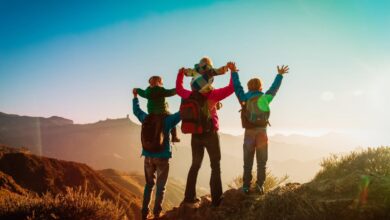
For generations, the concept of adventure travel has been a powerful, yet often exclusive, dream. It has conjured images of young, able-bodied individuals trekking through remote jungles or scaling unforgiving peaks. This traditional view of adventure, however, is a relic of the past. Today, a new and more profound philosophy has emerged, one that redefines adventure not as an extreme sport, but as a mindset of discovery, personal growth, and connection. This new era of adventure travel for all is a movement that is democratizing exploration, making it accessible to everyone, regardless of age, physical ability, or budget. It is a recognition that the thrill of discovery is a fundamental human desire, and that the world’s most incredible experiences should not be limited to a select few. This definitive guide will take you on a deep dive into the foundational principles of inclusive adventure, provide actionable strategies for planning your journey, and reveal a curated list of activities that are designed for every type of traveler.
The Foundational Principles of Inclusive Adventure

Before we dive into specific destinations and activities, it’s crucial to understand the philosophy behind an inclusive and accessible adventure. These core tenets are what transform a simple trip into a life-changing experience for everyone involved.
A. Redefining “Adventure”
The first step in making adventure travel for all a reality is to redefine what “adventure” truly means. It is not limited to extreme sports or remote expeditions. For a child, adventure can be as simple as spotting a unique bird, learning to navigate a new public transportation system, or trying a new and exotic food. For a person with a disability, it can be the challenge of a new accessible hiking trail or the thrill of adaptive kayaking. For a senior, it can be a gentle nature walk or a cooking class with a local family. The key is to find the “sweet spot” where everyone is slightly out of their comfort zone, but still engaged and having fun.
B. The Transformative Power of Adventure
Adventure travel has a unique ability to transform us, to push us out of our comfort zones, and to reveal new strengths and passions. When we embark on an adventure, we are forced to rely on ourselves, to solve unexpected problems, and to discover a confidence we never knew we had. This is especially true for those who have been limited by a physical or a perceived disability. The act of an accessible adventure, from a wheelchair-friendly hiking trail to a guided adaptive kayaking tour, can be a powerful force for personal growth and a new sense of independence.
C. The Importance of Accessibility and Inclusivity
Accessibility is no longer an afterthought; it is a fundamental principle of modern adventure travel. A truly inclusive adventure is one where every person, regardless of their physical ability or age, has the opportunity to participate and to have a meaningful experience. This requires a close collaboration between tour operators, destinations, and a new generation of travelers who are demanding a more inclusive and accessible world. The businesses that embrace this principle will not only be more profitable but will also be a powerful force for social good.
D. The Core Values of Mindful Adventure
The pursuit of adventure travel for all is not just about fun and excitement; it is about a deeper, more mindful connection to the world. It is about a new set of values that are centered on responsibility, respect, and a positive impact. A mindful adventurer is one who is aware of their impact on the local community and the environment. They are a traveler who is committed to supporting local businesses, minimizing their environmental footprint, and engaging with local cultures in a respectful and meaningful way.
The Art of Planning an Inclusive Adventure
The key to a successful inclusive adventure is a solid foundation of planning. While spontaneity is a core part of the experience, a well-researched plan gives you the confidence to let go and embrace the unknown.
A. Choosing the Right Destination and Activity
The world is your oyster, but some destinations are more inclusive and accessible than others. The right destination should align with your family’s interests, budget, and travel style.
- A. Research the country’s infrastructure and accessibility. Look for destinations with a well-developed tourism infrastructure, a reputation for safety, and a variety of activities for all ages and abilities.
- B. Consider the interests of every family member. Is your family passionate about history? Nature? Food? A great adventure is one where every family member has a chance to explore their passions.
- C. Think about the length and complexity of the trip. For a first-time inclusive adventure, consider a shorter trip to a destination with a similar culture and language. This will help you ease into the world of adventure travel and build a foundation of confidence for future trips.
B. The Role of Specialized Tour Operators
The best way to plan and execute an inclusive adventure is to partner with a specialized tour operator. These companies have the expertise, the experience, and the connections to create a seamless, safe, and truly unforgettable experience for every traveler, regardless of their age or ability.
- A. Look for a tour operator with a strong reputation. A great tour operator should have a clear commitment to accessibility, inclusivity, and a positive impact on the local community and the environment.
- B. Research the tour operator’s certifications and credentials. Look for a tour operator that is certified by a reputable organization like the Global Sustainable Tourism Council (GSTC) or the Adventure Travel Trade Association (ATTA).
- C. Ask for a list of references. A great tour operator should be happy to provide you with a list of references from past clients. This will give you a sense of their reputation and their commitment to customer satisfaction.
C. Budgeting for Accessible Adventures
Money is a common source of stress, and a well-thought-out budget is essential for a stress-free accessible adventure. Accessible travel can often be more expensive due to the need for specialized equipment and services, but with smart planning, it can be very affordable.
- A. Track your expenses. Use a budgeting app or a simple spreadsheet to track your daily expenses, from accommodation to food and activities. This will help you stay on track and avoid overspending.
- B. Look for discounts and grants. Many organizations and foundations offer grants and discounts for people with disabilities who want to travel.
- C. Consider a group tour. A group tour can often be more affordable than a private tour, and it provides a great way to meet other travelers who share your interests.
D. Safety First
Safety is a primary concern for any adventure, and it’s important to be proactive and prepared. The key is not to be paranoid, but to be aware and to trust your instincts.
- A. Get travel insurance. Travel insurance is an essential for any adventure. It provides a safety net in case of a medical emergency, a flight cancellation, or a lost bag.
- B. Pack a first aid kit. A first aid kit is an essential for any adventure. It should include everything from bandages and antiseptic wipes to pain relievers and any prescription medications you might need.
- C. Have an emergency plan. Have a clear emergency plan in place, and have a list of emergency contacts, including the local police and the embassy of your country. This will give you peace of mind and the confidence to handle any unexpected situation.
Curated Adventures for Every Type of Traveler
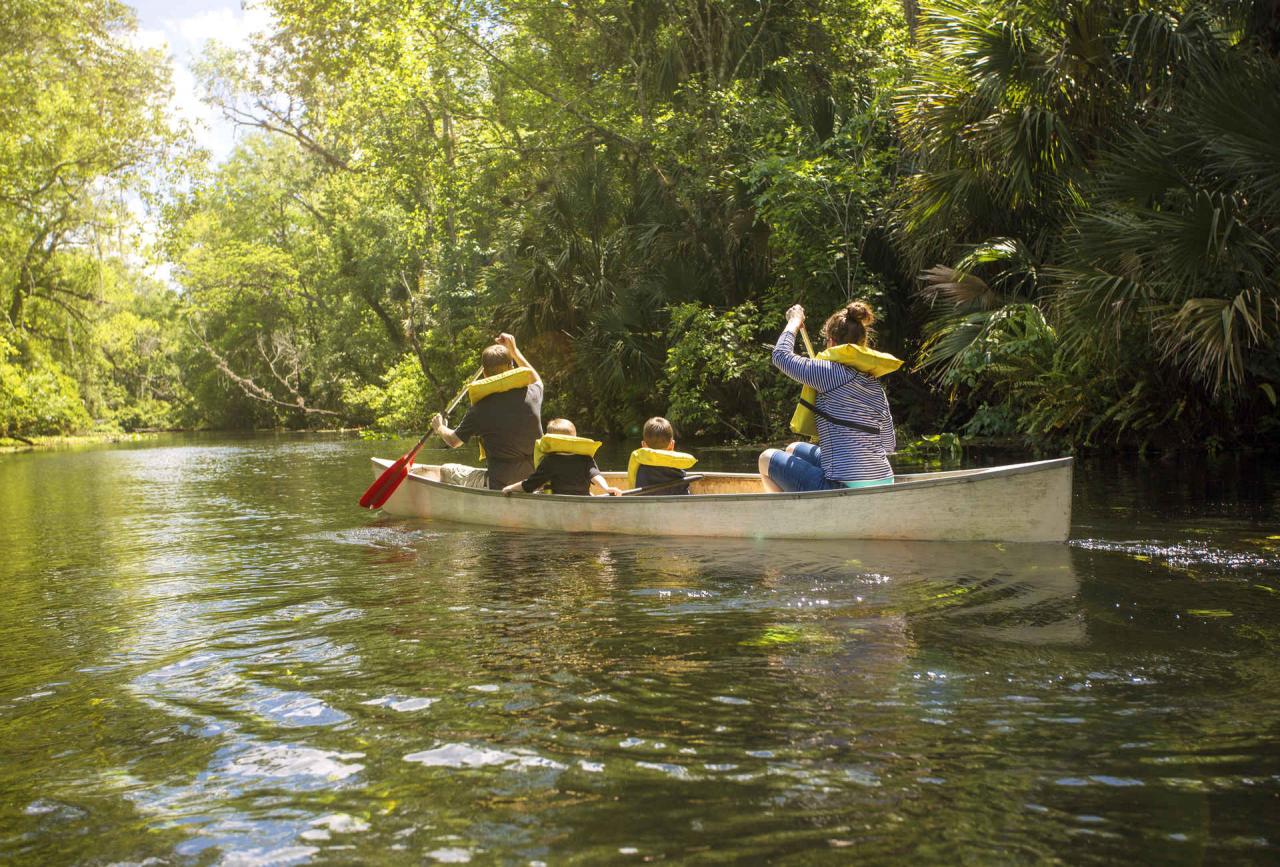
To illustrate these principles, here are some of the most unforgettable adventure ideas, categorized by the type of traveler they are designed for.
A. Adventure for Individuals with Disabilities
- A. Adaptive Kayaking and Water Sports: Many destinations offer adaptive kayaking, paddleboarding, and other water sports for individuals with a range of disabilities. These tours, often led by specialized guides, provide a safe, fun, and empowering way to get out on the water and to experience the natural world.
- B. Accessible Hiking and National Park Exploration: National parks around the world are becoming more and more accessible, with a growing number of wheelchair-friendly hiking trails, accessible restrooms, and other amenities. These parks offer a variety of activities for all ages and abilities, from gentle nature walks to more challenging hikes.
B. Adventure for Families with Young Children
- C. Family-Friendly Safaris and Wildlife Tours: A safari or a wildlife tour is a great way to have a family adventure. The tours offer a chance to see a stunning array of wildlife in their natural habitat, and to learn about conservation and environmental protection. The experience is about a sense of wonder, a deeper connection to the natural world, and a feeling of being in a place that has been untouched by time.
- D. Coastal Exploration and Snorkeling Adventures: A coastal exploration or a snorkeling adventure is a great way to have a family adventure. The tours offer a chance to see a stunning array of marine life in their natural habitat, and to learn about conservation and environmental protection. The experience is about a sense of wonder, a deeper connection to the natural world, and a feeling of being in a place that has been untouched by time.
C. Adventure for Seniors and Multi-Generational Groups
- E. Slow Travel and Cultural Immersion: Slow travel is a philosophy that encourages travelers to slow down, to stay in a single location for a longer period of time, and to get to know the local culture and community. It is a way to have a more authentic, immersive, and educational experience that is also more sustainable, as it reduces your carbon footprint from frequent flights and travel.
- F. Gentle Hiking and Nature Walks: Many destinations offer gentle hiking trails and nature walks that are perfect for seniors and multi-generational groups. These trails offer a chance to explore a destination’s natural beauty, to see a stunning array of wildlife, and to get some exercise in a safe and comfortable way.
D. Adventure for Solo Travelers
- G. Group Adventure Tours for Solo Travelers: A group adventure tour is a great way to have a solo adventure. The tours offer a chance to meet other travelers who share your interests, to socialize, and to find a cheap place to stay. The experience is about a sense of community, a deeper connection to a place, and a feeling of being in a place that has been untouched by time.
- H. Voluntourism and Purpose-Driven Adventures: A voluntourism trip is a great way to have a solo adventure. The trips offer a chance to use your skills and time to contribute to a local project or community. The experience is about a sense of purpose, a deeper connection to a place, and a feeling of being in a place that is truly special.
E. Adventure for All Budgets
- I. Budget-Friendly Backpacking and Hiking: Backpacking and hiking are a great way to have a budget-friendly adventure. The tours offer a chance to explore a mountain, to see a stunning array of wildlife, and to get a sense of adventure. The experience is about a sense of peace, tranquility, and a deeper connection to the natural world.
- J. Luxury Adventure for Less: While luxury adventure can be a major expense, it can be made more affordable with strategic planning. By traveling during the shoulder season, by leveraging travel rewards, and by staying in a luxury hotel alternative, you can have a high-end, unforgettable experience without the prohibitive price tag.
The Mindful Adventurer’s Code
Finding a responsible inclusive adventure is only the first step. The true challenge lies in being a mindful and responsible traveler.
A. Supporting Local Communities and Businesses
The most powerful way to support a destination is to spend your money directly with the local community. This means choosing to stay in a locally owned guesthouse, eating at a local restaurant, and buying souvenirs from local artisans. This ensures that your money stays in the community and helps to support the local economy.
B. Minimizing Your Environmental Impact
The goal of a mindful adventurer is to minimize their environmental footprint. This means reducing your carbon footprint by choosing a responsible mode of transportation, minimizing your waste by carrying a reusable water bottle and a set of cutlery, and choosing accommodations that have a commitment to sustainability.
C. Respecting Local Cultures and Traditions
When you travel to a new destination, you are a guest in someone else’s home. It is important to engage with the local culture and communities in a respectful and meaningful way. This means learning a few words of the local language, asking for permission before taking photographs, and being open to new experiences and perspectives.
Conclusion
The pursuit of adventure travel for all is a journey of foresight, strategy, and a deep, authentic connection to the world. It is a philosophy that is not just about seeing the world, but about immersing oneself in it, engaging with local communities, and creating memories that are not just for a photograph but for a lifetime. The most valuable part of a family adventure is not the destination, but the shared journey of discovery, growth, and connection.
The inclusive adventure models explored in this guide are not just a feel-good trend; they are a fundamental driver of personal growth, resilience, and a deeper connection to the world. From a national park road trip to a community-based homestay, the opportunities for a truly transformative experience are immense. For the modern traveler, this new landscape presents a monumental opportunity. It is a chance to move beyond the tourist traps and to embark on a journey of personal growth, cultural exchange, and a deeper connection to the planet. It is a chance to travel with a purpose, to make a positive impact, and to create memories that are not just for a photograph but for a lifetime. The future of travel is not just about where we go; it’s about how we go, and the impact we have along the way.