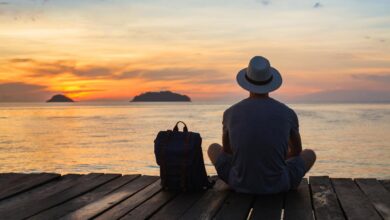
The traditional 9-to-5 office model is a relic of the past. In its place, a powerful new way of living and working has emerged: the digital nomad lifestyle. This is not just a vacation with a laptop in tow, nor is it a temporary trend. It is a fundamental shift in how we view work, travel, and the pursuit of a more fulfilling and integrated life. A digital nomad is an individual who works remotely, using technology to earn a living while traveling the world. It is a life of freedom, flexibility, and a deeper connection to the planet and its people. For those who dream of a life of adventure, but still want to build a successful career, the digital nomad lifestyle is the ultimate blueprint. This definitive handbook is your complete roadmap, designed to demystify the process, conquer your fears, and empower you to embark on the digital nomad adventure of a lifetime.
The Foundational Mindset of a Digital Nomad

Before you book a flight or pack your bags, the most important step is to cultivate a new mindset. This is the inner foundation upon which every successful digital nomad’s journey is built.
A. Defining the Digital Nomad
The first principle of a digital nomad is to understand that this is not a perpetual vacation. It is a serious, professional commitment that requires discipline, a strong work ethic, and a clear plan for your finances. It is a life of freedom, but it is also a life of responsibility. The digital nomad is a professional who is also a traveler, and a successful one is a person who can find a balance between the two. This is a journey of intentionality, where the traveler chooses to work and to travel, not to choose one over the other.
B. Cultivating a Flexible and Adaptable Mindset
The digital nomad’s greatest asset is flexibility. This means being open to new ideas, a new itinerary, and a new destination. A rigid plan is a recipe for disaster, while a flexible one allows you to be spontaneous and to embrace the unexpected. The most successful digital nomads are not the ones who get it right the first time, but the ones who are willing to pivot, iterate, and continuously adapt their model based on feedback and data. Flexibility is not a sacrifice; it is a superpower that allows you to find the best deals and the most authentic experiences.
C. The Pursuit of Work-Life Integration
The traditional concept of work-life balance is a challenge for many. The digital nomad, however, embraces a new philosophy of work-life integration, where the lines between professional life and personal life are blurred. This is a life where work is not a separate part of your life, but a part of a more holistic, integrated experience. The digital nomad is a person who can work from a quiet cafe in Bali, a co-working space in Costa Rica, or a hotel in Lisbon. This is a life where work is not just a job, but a part of a more fulfilling and integrated life.
D. Embracing Minimalist Living
A digital nomad’s greatest asset is their mobility, and a heavy suitcase is a major liability. The most successful digital nomads embrace a philosophy of minimalist living, where they only pack what they need and a few essential items. This approach not only makes a digital nomad’s life easier but also frees them from the burden of possessions and allows them to focus on the things that truly matter: experiences, memories, and connections.
Strategic Planning and Preparation
The key to a successful digital nomad journey is a solid foundation of planning. While spontaneity is a core part of the experience, a well-researched plan gives you the confidence to let go and embrace the unknown.
A. Choosing the Right Destination and Visa
The world is your oyster, but some destinations are more digital nomad-friendly than others. Look for places with a well-developed tourism infrastructure, a reputation for safety, and a culture that is welcoming to remote workers.
- A. Research the country’s visa requirements. Many countries, such as Portugal, Spain, and Costa Rica, now offer a digital nomad visa, which allows remote workers to live and work in the country for a longer period of time.
- B. Consider the cost of living. The cost of living can vary significantly from one destination to another. Research destinations that offer a great quality of life at an affordable price.
- C. Think about the local culture. A workcation is a great way to immerse yourself in a new culture. Research destinations with a vibrant art scene, a rich history, and a stunning array of culinary options.
- D. Research internet speed and connectivity. A workcation is only as good as its internet connection. Research destinations with a robust network of co-working spaces and a reliable Wi-Fi signal.
B. Financial Planning and Budgeting
Money is a common source of stress, and a well-thought-out budget is essential for a stress-free digital nomad journey.
- A. Track your expenses. Use a budgeting app or a simple spreadsheet to track your daily expenses, from accommodation to food and activities. This will help you stay on track and avoid overspending.
- B. Look for solo-friendly deals. Many hostels and guesthouses offer solo traveler discounts. Look for tour companies that cater to solo travelers, as they often have single-occupancy rooms and no single supplement fees.
- C. Have an emergency fund. Always have a separate fund for unexpected expenses, like a medical emergency or a flight cancellation. This will give you peace of mind and the confidence to handle any unexpected situation.
C. The Art of Packing Light
Packing light is a superpower for a digital nomad. A heavy suitcase is a major liability, making it difficult to navigate public transportation, stairs, and crowded streets. The key is to pack only what you need and to choose versatile, multi-purpose items.
- A. Choose a quality backpack. A good quality backpack is a traveler’s best friend. It allows you to be mobile and to easily navigate a new city.
- B. Pack versatile clothing. Choose clothing that can be mixed and matched to create multiple outfits. Pack layers that can be added or removed depending on the weather.
- C. Have a packing list. Create a list of all the items you need to pack, and check them off as you go. This will ensure that you don’t forget anything important and will help you avoid overpacking.
D. Essential Technology and Tools
The digital nomad lifestyle would not be possible without the right technology and tools.
- A. A reliable laptop. A reliable laptop is a digital nomad’s most important tool. It is the engine of your business and your primary tool for communication and collaboration.
- B. A reliable Wi-Fi connection. A reliable Wi-Fi connection is essential for productivity. Use a local SIM card or a travel Wi-Fi hotspot to stay connected to the internet.
- C. A portable charger. A portable charger is a digital nomad’s best friend. It allows you to charge your laptop, your smartphone, and your other devices on the go.
- D. Productivity tools. Use productivity tools like a project management app, a time-tracking app, and a communication app to stay on track and to collaborate with your team.
Working and Thriving
Once you’re on the road, the art of a digital nomad’s life is about being smart with your day-to-day work and lifestyle. The small, daily decisions are what truly add up to a successful journey.
A. Mastering Productivity and Time Management
The biggest challenge of a digital nomad’s life is to master productivity and time management. A workcation is a blend of work and leisure, and a key to a successful one is to find a balance between the two.
- A. Set a strict work schedule. A workcation can be challenging for a team that is spread across different time zones. Set a strict work schedule that allows for a few hours of overlap each day.
- B. Find a dedicated workspace. A dedicated workspace is essential for productivity. Find a co-working space, a quiet cafe, or a dedicated desk in your hotel room.
- C. Use productivity tools. Use productivity tools like a project management app, a time-tracking app, and a communication app to stay on track and to collaborate with your team.
- D. Take a break. A workcation is a blend of work and leisure, and a key to a successful one is to take a break. Take a walk in a local park, go for a hike, or go for a swim. This will help you de-stress and to recharge.
B. Finding a Reliable Workspace
A reliable workspace is a digital nomad’s most important asset. It is the engine of your business and your primary tool for communication and collaboration.
- A. Co-working spaces. Co-working spaces are a great option for a digital nomad. They offer a reliable Wi-Fi signal, a dedicated workspace, and a community of like-minded individuals.
- B. Cafes and coffee shops. Cafes and coffee shops are a great option for a digital nomad. They offer a reliable Wi-Fi signal, a dedicated workspace, and a comfortable atmosphere.
- C. Hotel rooms. Hotel rooms are a great option for a digital nomad. They offer a reliable Wi-Fi signal, a dedicated workspace, and a comfortable atmosphere.
C. Navigating Different Time Zones
A digital nomad’s life can be challenging for a team that is spread across different time zones. To overcome this, an employer can implement a flexible work schedule that allows for a few hours of overlap each day.
- A. Use a time zone converter. Use a time zone converter to schedule your meetings and your work schedule.
- B. Communicate your work schedule to your team and your family. Communicate your work schedule to your team and your family, and let them know when you are working and when you are not.
- C. Be flexible. A workcation can be challenging for a team that is spread across different time zones. Be flexible and be willing to work at different times of the day.
Building a Community and Connection

The biggest challenge of a digital nomad’s life is often the emotional one—conquering loneliness and embracing the joy of being alone.
A. Making Friends and Building a Community
While you are traveling alone, you are never truly alone. The world is full of other travelers and locals who are open to new connections.
- A. Stay in a hostel. A hostel is a great place to meet other solo travelers. Most hostels have a common room or a bar where you can easily meet and socialize with others.
- B. Take a tour or a class. Taking a tour or a class is a great way to meet people who share your interests. This could be a cooking class, a language class, or a guided tour of a local landmark.
- C. Use social apps. Use social apps like Couchsurfing or Meetup to connect with locals and other travelers. These apps are a great way to find local events, to meet people who share your interests, and to get a sense of the local culture.
B. The Art of Solo Dining and Exploration
Dining alone can be intimidating, but it is one of the most rewarding experiences of a digital nomad’s life. It is a chance to be fully present in the moment and to enjoy the food, the atmosphere, and the experience without any distractions.
- A. Choose a cozy restaurant. Choose a restaurant with a cozy and inviting atmosphere. Look for a restaurant with a bar where you can sit and chat with the bartender.
- B. Bring a book or a journal. Bring a book or a journal to keep yourself entertained. This will help you feel more comfortable and less self-conscious.
- C. Order something new. Order something new that you have never tried before. This is a chance to be adventurous and to discover a new dish or a new flavor.
C. Connecting with Locals and the World
While it may seem counterintuitive, traveling alone is one of the best ways to connect with others. Without the safety net of a companion, you are more approachable and more open to new connections. This can lead to incredible experiences, from a shared meal with a local family to a deep conversation with another traveler in a hostel common room. Solo travel forces you to be more present and more engaged with the world around you, leading to more authentic and meaningful human interactions.
Curated Digital Nomad Hubs
To illustrate these principles, here are some of the most unforgettable digital nomad hubs, categorized by the type of experience they offer. These are not specific, real-world places, as the beauty of a truly transformative destination is that it remains a secret. Instead, they are archetypes that represent the kind of experience you can find if you are willing to look.
A. Southeast Asia
Southeast Asia is a great destination for a digital nomad. The region is known for its stunning natural beauty, its ancient culture, and its vibrant cities. The cost of living is very low, and you can find a wide variety of affordable accommodation, food, and activities.
- A. Thailand: Known for its stunning beaches, ancient temples, and vibrant street food.
- B. Vietnam: A great destination for a food lover, with a stunning array of street food and a rich cultural heritage.
- C. Indonesia: A great destination for a food lover, with a stunning array of street food and a rich cultural heritage.
B. Latin America
Latin America is a great destination for a digital nomad. The region is known for its stunning natural beauty, its ancient culture, and its vibrant cities. The cost of living is very low, and you can find a wide variety of affordable accommodation, food, and activities.
- A. Mexico: Known for its stunning beaches, ancient ruins, and vibrant cities.
- B. Colombia: A great destination for a food lover, with a stunning array of street food and a rich cultural heritage.
- C. Costa Rica: A great destination for a nature lover, with a stunning array of beaches, volcanoes, and jungles.
C. Europe
Europe is a great destination for a digital nomad. The region is known for its stunning architecture, its ancient history, and its vibrant cities. The cost of living is very high, but you can find a wide variety of affordable accommodation, food, and activities.
- A. Portugal: Known for its stunning beaches, ancient history, and vibrant cities.
- B. Spain: A great destination for a food lover, with a stunning array of street food and a rich cultural heritage.
- C. Italy: A great destination for a history lover, with a stunning array of ancient ruins and a rich cultural heritage.
Conclusion
The pursuit of a digital nomad lifestyle is a journey of foresight, strategy, and a deep, authentic connection to the world. It is a philosophy that is not just about saving money but about a mindset that redefines work and travel not as a luxury, but as a core priority. The most valuable part of a journey is not the money you spend, but the experiences you have, the people you meet, and the person you become. A digital nomad is not a passive observer but an active participant in their journey, a problem-solver, a trend forecaster, and a master of the art of frugality.
The digital nomad models explored in this guide are not just a feel-good trend; they are a fundamental driver of personal growth, resilience, and a deeper connection to the world. From the traveler who works from a quiet cafe in Bali to the one who takes a local bus, the opportunities for a truly transformative experience are immense. For the modern traveler, this new landscape presents a monumental opportunity. It is a chance to move beyond the tourist traps and to embark on a journey of personal growth, cultural exchange, and a deeper connection to the planet. It is a chance to travel with a purpose, to make a positive impact, and to create memories that are not just for a photograph but for a lifetime. The future of travel is not just about where we go; it’s about how we go, and the person we become along the way.