For generations, the idea of traveling to space was the stuff of science fiction—a heroic pursuit reserved for a select few government-trained astronauts. Today, however, we are on the cusp of a new era where space is no longer an exclusive domain but a destination for the adventurous and the curious. Space tourism, once a distant dream, is now a burgeoning reality, with private companies leading a revolution that is democratizing access to the final frontier. This is more than just a new form of travel; it is a profound shift in human history, opening up new possibilities for exploration, scientific discovery, and the creation of an off-world economy. This definitive guide will take you on a deep dive into the current state of space tourism, unveil the key players and their groundbreaking visions, and explore the strategic challenges and opportunities that will shape the next chapter of humanity’s journey to the stars.
The New Era of Commercial Spaceflight
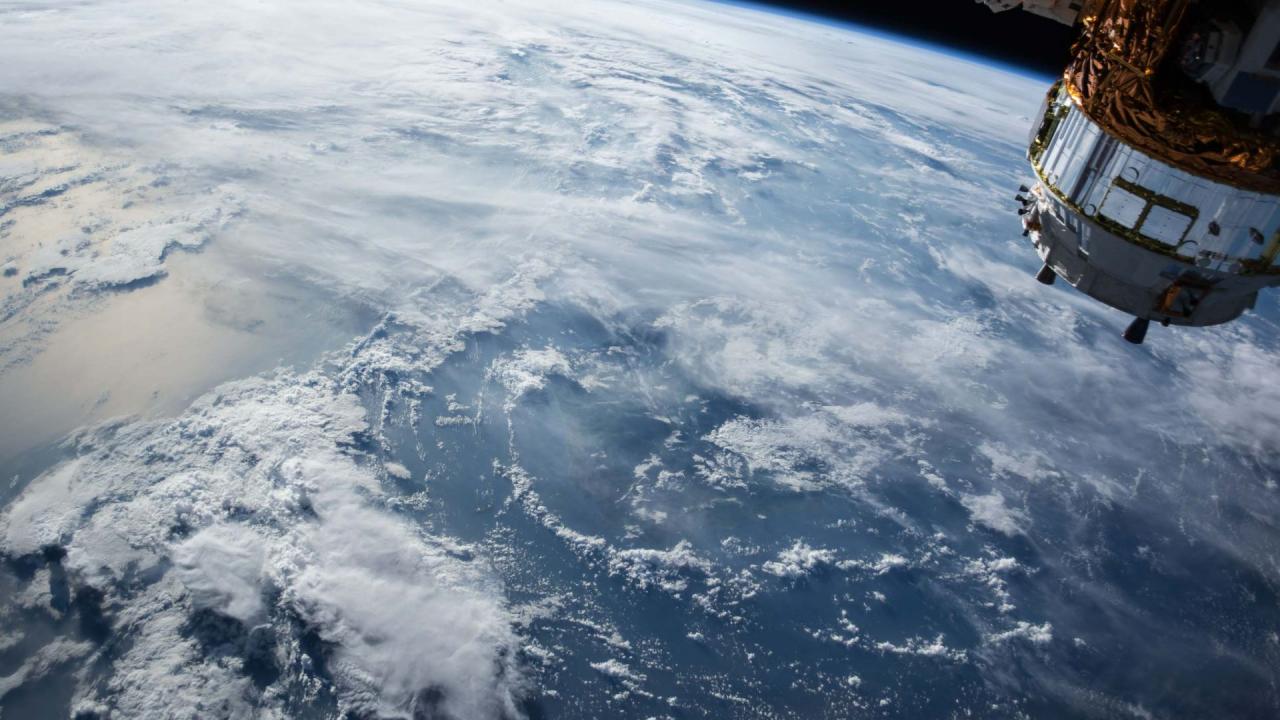
The space industry is undergoing a fundamental transformation, driven by a paradigm shift from government-led missions to a vibrant and competitive private sector. This new era of commercial spaceflight is the foundational engine of space tourism, making it more accessible and innovative than ever before.
A. The Shift from Government to Private Sector
For decades, space exploration was the exclusive domain of national space agencies like NASA and Roscosmos. Missions were driven by political goals, scientific research, and a Cold War-era race for supremacy. Today, the space industry is being propelled by a new wave of visionary entrepreneurs who see space not as a political prize but as a new market. Companies like SpaceX, Blue Origin, and Virgin Galactic have demonstrated that private enterprises can build and operate spacecraft more cost-effectively and innovatively than their government counterparts. This shift has not only driven down the cost of access to space but has also created a new ecosystem of innovation and competition, which is the perfect environment for the growth of space tourism.
B. Suborbital vs. Orbital
Before we can explore the future, it’s crucial to understand the two main categories of space tourism that are currently in development.
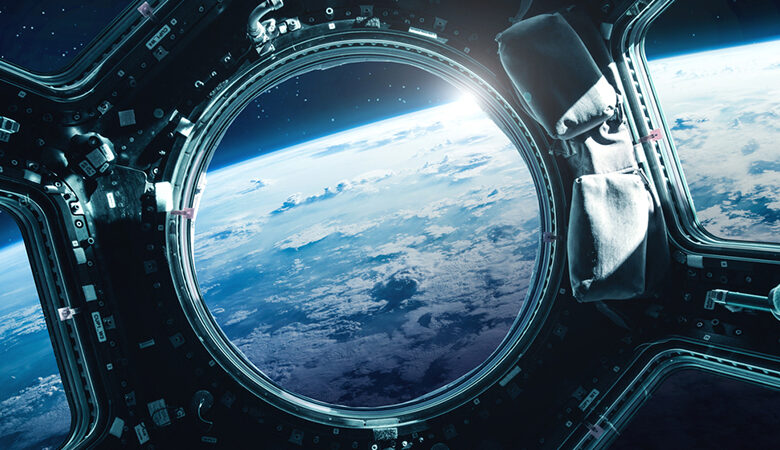
- A. Suborbital Flight: This is the first and most accessible tier of space tourism. A suborbital flight takes a person to the edge of space, typically around 80 to 100 kilometers (50 to 62 miles) above the Earth’s surface. Passengers experience a few minutes of weightlessness and a stunning view of the Earth’s curvature against the blackness of space before returning to the planet. This is a journey that lasts for a few hours from takeoff to landing, and it is the primary focus of companies like Virgin Galactic and Blue Origin.
- B. Orbital Travel: This is a much more complex and expensive form of space tourism. An orbital journey takes a person into a stable orbit around the Earth, where they can spend days, weeks, or even months in a space station or a specially designed space hotel. This is a journey that requires a much more powerful and sophisticated rocket and a significant amount of training. While the cost is currently astronomical, companies like SpaceX and others are working to make this type of travel more accessible in the future.
C. The Economic Drivers of a New Industry
Space tourism is not just a luxury pursuit for the ultra-wealthy; it is a powerful economic driver that is creating a new industry and a new ecosystem of supporting businesses. From the development of new materials and technologies to the creation of astronaut training programs and space-themed resorts, space tourism is creating new jobs and new opportunities for innovation. The industry is also attracting significant investment from venture capitalists and private equity firms, who see it as a long-term, high-growth sector with the potential for a massive return.
D. The Historical Context of Space Tourism
While the current wave of space tourism feels new, the idea is not. The first “space tourist,” Dennis Tito, paid a reported $20 million to travel to the International Space Station (ISS) in 2001. This was a one-off mission, but it proved that there was a market for commercial spaceflight. Since then, a handful of other private individuals have traveled to the ISS, but the cost and the logistical challenges have made it an exclusive club. The current wave of space tourism is different; it is a systematic, scalable, and commercially driven effort to make space travel more accessible to a wider audience.
Key Players and Their Vision
The space tourism industry is currently dominated by a handful of visionary companies that are at the forefront of this revolution. Each company has a unique vision, a different approach, and a specific roadmap for the future.
A. Virgin Galactic and Suborbital Flight
Founded by Sir Richard Branson, Virgin Galactic is one of the most well-known names in space tourism. The company’s vision is to make suborbital spaceflight a routine, accessible experience for a wide range of customers. They use a unique, air-launched system where a carrier aircraft takes a rocket-powered spaceship to a high altitude before it is released to blast into suborbital space. The journey is a few hours long, and passengers experience a few minutes of weightlessness and a stunning view of the Earth. While the cost is still high (currently in the hundreds of thousands of dollars), the company’s long-term vision is to drive down the cost and make space travel more accessible.
B. Blue Origin
Founded by Amazon founder Jeff Bezos, Blue Origin has a long-term vision that is even more ambitious than Virgin Galactic’s. The company’s motto, “Gradatim Ferociter” (Step by Step, Ferociously), reflects its methodical approach. They have developed a reusable rocket system called New Shepard that takes passengers on a suborbital journey to the edge of space before a gentle landing. But their long-term vision extends far beyond suborbital flight. Blue Origin is also developing a heavy-lift rocket called New Glenn and a lunar lander, with the ultimate goal of making human life multi-planetary.
C. SpaceX
Founded by Elon Musk, SpaceX has a vision that is perhaps the most ambitious of all: to make human life multi-planetary by colonizing Mars. While SpaceX is not exclusively a space tourism company, its reusable Falcon 9 rockets and Dragon capsules have already been used to transport private citizens to the International Space Station. The company’s Starship rocket, currently in development, is designed to be fully reusable and capable of carrying up to 100 people to Mars, with the ultimate goal of making space travel as common as air travel.
D. Emerging Players and Supporting Industries
While the big three dominate the headlines, a new ecosystem of supporting businesses is emerging. This includes companies that are developing space hotels, astronaut training programs, and specialized space-themed resorts. The growth of these supporting industries is a clear signal that space tourism is not just a dream but a burgeoning reality with a long-term vision.
The Next-Generation Space Tourist Experience
What will the future of a space vacation look like? The answer is a multi-tiered, transformative experience that is designed to cater to a wide range of interests and budgets.
A. The Suborbital Journey
For the average traveler, the first and most accessible tier of space tourism will be a suborbital journey. This is a journey that will provide a sense of adventure, a stunning view of the Earth’s curvature against the blackness of space, and a few minutes of weightlessness. The experience will be a few hours long, from takeoff to landing, and will be a memorable, life-changing adventure for those who can afford it.
B. Orbital Stays
For the more adventurous and wealthy traveler, the future of space tourism is an orbital stay in a space hotel or a specially designed space station. Companies are currently developing space hotels that will provide a luxurious, zero-gravity experience with stunning views of the Earth and the stars. The experience will be a few days or weeks long and will be a transformative journey for those who can afford it.
C. Lunar and Martian Tourism
The far-future vision of space tourism is a journey to the moon or Mars. This is a journey that is still in the early stages of development, but with the rapid pace of innovation, it is a vision that is becoming more and more a reality. The experience will be a journey of a lifetime, with a sense of adventure, a stunning view of the Earth and the stars, and a feeling of being in a place that has been untouched by time.
D. The Pre-Flight Training and Preparation
Before a space tourist can embark on their journey, they will need to undergo a rigorous training and preparation program. This program will be designed to prepare the tourist for the physical and mental challenges of space travel, from the effects of weightlessness to the psychological challenges of being in a new, unfamiliar environment. The training will also be a part of the experience, providing a sense of community and a feeling of being a part of a select group of people who are embarking on a journey of a lifetime.
The Strategic Challenges and Opportunities
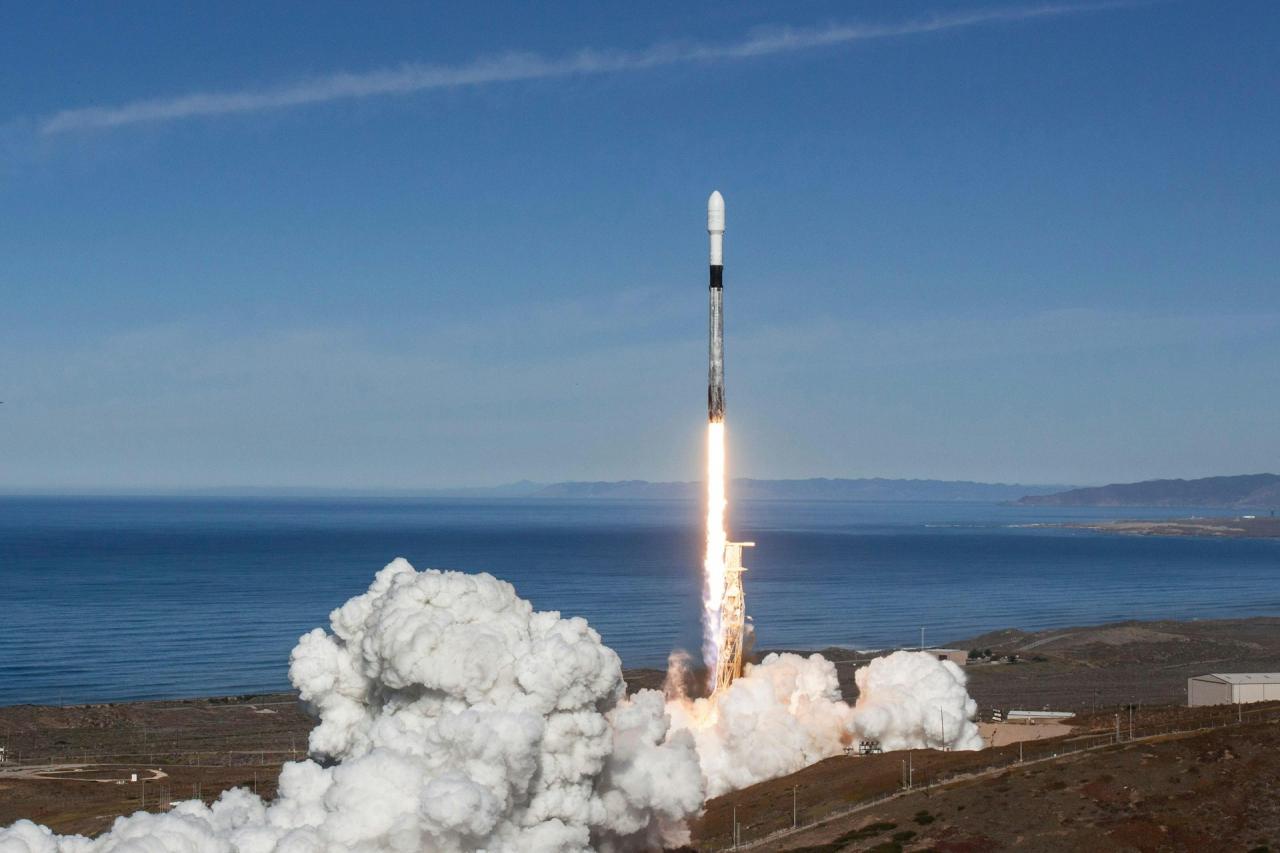
While the future of space tourism is bright, it is not without its challenges. The industry must address a number of critical issues to ensure its long-term viability and growth.
A. The Challenge of Safety and Regulation
Space travel is inherently dangerous, and the industry must address the challenge of safety and regulation to ensure the public’s trust and confidence. This will require a close collaboration between private companies and government regulators to develop a new set of safety standards and regulations that are specifically designed for commercial spaceflight. The goal is to make space travel as safe as air travel, but this is a long-term challenge that will require a significant amount of innovation and investment.
B. The Path to Affordability and Accessibility
Space tourism is currently an exclusive club reserved for the ultra-wealthy. The industry must address the challenge of affordability and accessibility to ensure its long-term growth. This will require a significant amount of innovation and investment to drive down the cost of space travel and to make it more accessible to a wider audience. The goal is to make space travel as common as air travel, but this is a long-term challenge that will require a significant amount of innovation and investment.
C. The Environmental Impact of Spaceflight
Spaceflight has a significant environmental impact, from the carbon emissions of rocket launches to the debris that is left in space. The industry must address the challenge of environmental sustainability to ensure its long-term viability and growth. This will require a significant amount of innovation and investment to develop more sustainable fuels, reusable rocket systems, and new technologies for space debris management. The goal is to make space travel a force for good, but this is a long-term challenge that will require a significant amount of innovation and investment.
D. The Role of Technology in Making It Happen
The future of space tourism is entirely dependent on technology. From the development of new materials and advanced rocket systems to the creation of space hotels and virtual reality training programs, technology is the engine that is making this vision a reality. The industry must continue to invest in innovation and research and development to address the challenges and opportunities of space tourism. The goal is to make space travel a routine, accessible experience for a wide range of customers.
Conclusion
The future of space tourism is not just a distant dream; it is a burgeoning reality that is transforming the travel industry and opening up a new frontier for human exploration. The businesses that are leading this revolution are not just building rockets; they are building a new industry, a new economy, and a new future for humanity. The journey is not without its challenges, from the high cost and the safety concerns to the environmental impact, but the potential for a transformative return is immense.
The space tourism models explored in this guide—from the suborbital journey to the lunar and Martian vision—are a reflection of a new paradigm of investment and innovation. They are a sign that the world is changing, and that the most lucrative opportunities are found in the businesses that are solving the world’s most pressing problems and capitalizing on the most powerful global trends. The common thread running through all these ideas is the power of leverage: leveraging technology to scale, leveraging knowledge to command a premium, and leveraging a community to build a brand that is more than just a business.
The journey to building a high-growth business is challenging, but the rewards are unparalleled. It offers not only financial independence but also the satisfaction of creating something truly valuable in the world. The best time to start is now, and with the right mindset and a clear strategy, your business is well within its reach to achieve exponential growth.